
Every article about gig work in Britain is secretly an article about delivery — as if the only thing an app can pay you for is cycling somebody's katsu curry through the rain.
The quieter half of the gig economy pays for competence instead of legs. Assembling flat-pack, mounting TVs, walking dogs, waiting in for a sofa: the apps that broker these jobs are less famous than Deliveroo, pay better per hour, and let you set your own rate. Here's how the money actually works.
TaskRabbit: flat-pack is a currency
TaskRabbit has been owned by IKEA since 2017, which tells you what the core job is. Furniture assembly is the bread and butter, alongside TV mounting, moving help, and general handyman work. Taskers set their own hourly rates — in London, established assemblers commonly charge £20–£40 an hour, less in smaller cities — and the client pays TaskRabbit's service fee on top of your rate, so the number you set is broadly the number you keep.
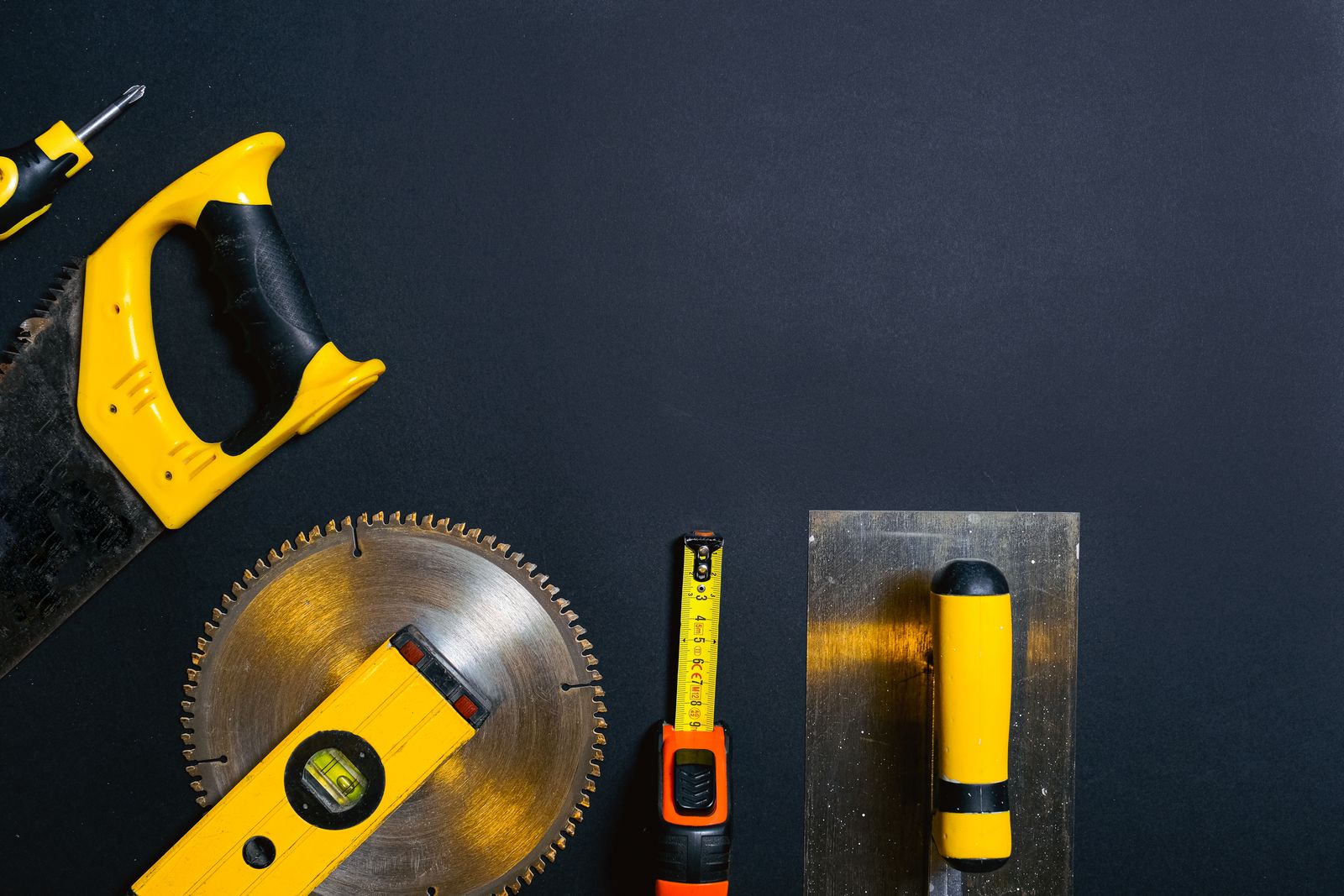
The pattern that works: start cheap to collect your first reviews, then raise your rate every ten jobs or so. Reviews compound — the tasker at £35 an hour with 400 five-star ratings stays booked solid while the newcomer at £18 waits. An electric screwdriver and a spirit level are the entire startup cost, plus a small one-off registration fee.
Airtasker and the bidding problem
Airtasker runs the other model: clients post a task, workers bid on it, and the platform takes a commission of roughly 10–20% depending on how much you've earned with them. Bidding is a race to the bottom on anything generic — "clean my flat" attracts twenty offers within the hour.
The margin lives in the awkward jobs nobody wants to price: waiting in for a delivery, queueing for a product launch, dismantling a shed, assembling a trampoline on the 24th of December. Odd, time-boxed, mildly annoying tasks routinely clear £15–£25 an hour because the competition simply isn't there.
Pet money: Rover, Cat in a Flat, Pawshake
Pet care is the gig category that most rewards staying power. On Rover, city dog walks run £10–£15 for half an hour, and boarding — the dog stays at yours — fetches £25–£40 a night in London, somewhat less elsewhere. Cat in a Flat and Pawshake broker the same trade for cat visits and sitting. The platforms take a cut of around 20%, which stings, but they also bring the insurance and the client pipeline.
The real economics are repeat business. Two or three regular walk clients plus occasional boarding is a steady £200–£400 a month, and boarding stacks beautifully with working from home — the labrador sleeps through your meetings. One warning: taking regulars off-platform to dodge the fee voids the platform's insurance and breaches the terms. If a dog gets hurt on an off-books walk, that's your problem entirely.
What it pays after the honest maths
Gross hourly rates flatter every gig. The deductions that matter:
- Dead time. Travel between jobs is unpaid. Two one-hour tasks across town can eat four hours of your day.
- Kit and cover. Tools, a bag of fixings, and public liability insurance if you're drilling into strangers' walls — policies start from a few pounds a month and are worth every penny the first time a bracket meets a water pipe.
- The fee stack. Commission, payment processing, the odd cancelled booking.
Realistically, an established tasker with good reviews nets £15–£25 an hour after all that; pet care lands lower per hour but demands less of each hour. Both beat the delivery apps' bad weeks, and neither involves an algorithm silently deciding your shift was worth £6.
Picking your lane
The temptation is to sign up for everything, which guarantees you're a beginner everywhere. Reviews are the only asset in this economy, and they don't transfer between apps — so concentrate them. If you own tools and don't mind strangers' skirting boards, TaskRabbit is the deepest market. If your diary is chaos but your weekends are free, Airtasker's one-off oddities fit around anything. If you work from home and like dogs more than people, Rover compounds fastest of all, because pet owners rebook the same sitter for years.
Whichever you pick, the first month is an investment period: price low, respond within minutes, and treat the fifth five-star review as the real payday.
The tax bit nobody reads
Everything above funnels through the same two rules. Under £1,000 a year in total side income, the trading allowance covers you and HMRC doesn't need to hear about it. Above that, you register for Self Assessment — the deadline is 5 October after the end of the tax year you first crossed the line.
And don't count on invisibility: digital platforms now report their workers' earnings to HMRC automatically under rules that arrived mid-decade. The taxman already knows about the trampolines.
The delivery apps rent your legs by the drop. This lot rents your competence — and competence gets to set its own rate.