

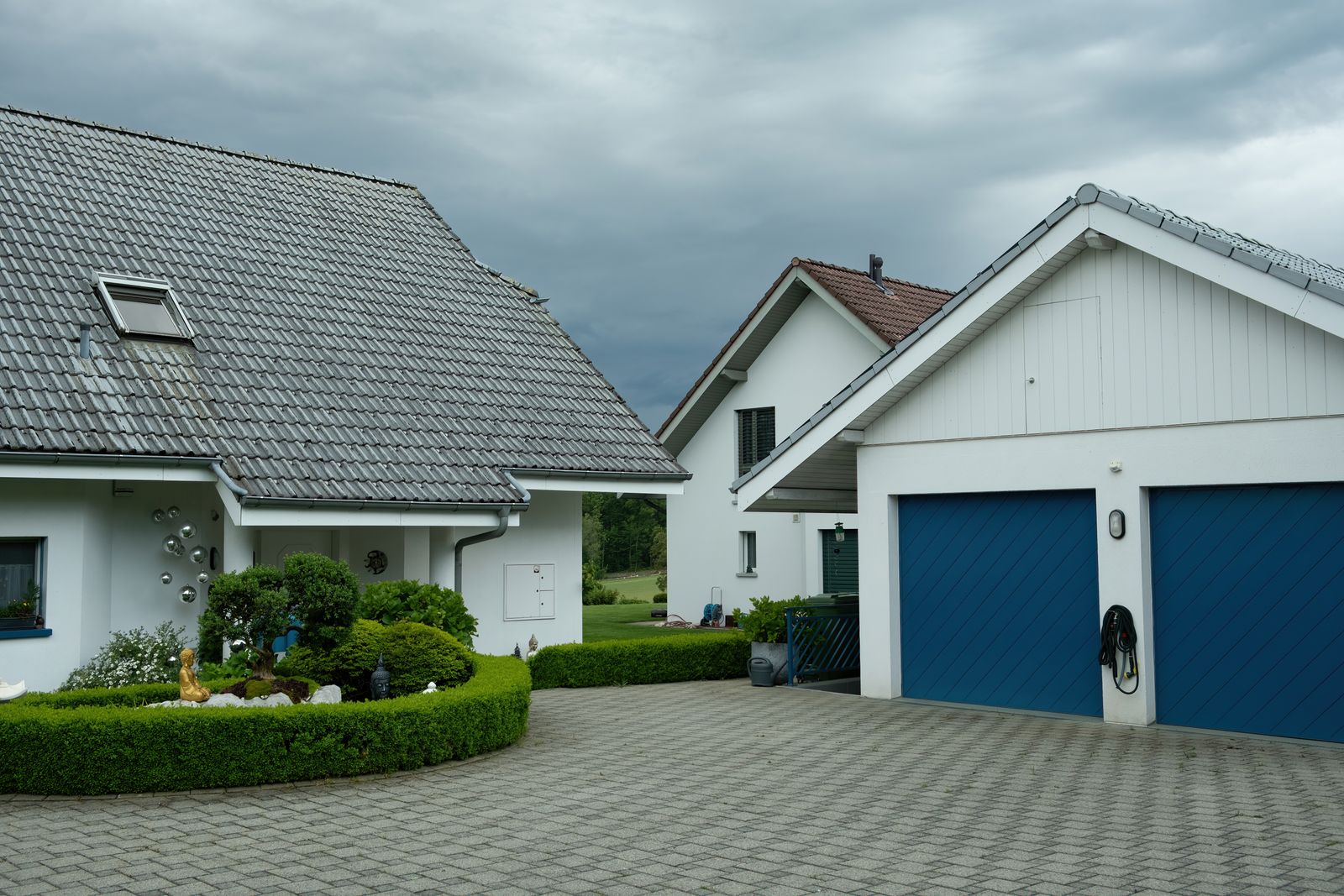
Most passive-income advice starts with buying something — a flat, a stock portfolio, a vending machine. The better version starts with what you already own that's doing nothing: the driveway, the garage, the spare room, the camera bag in the cupboard.
Britain is dense, storage-starved and short of parking, which makes idle domestic space genuinely rentable. None of it needs capital. Most of it, once listed, needs almost nothing at all.
The driveway: JustPark and YourParkingSpace
An empty driveway near a railway station, hospital, football ground or town centre is a small standing asset. JustPark and YourParkingSpace both let you list a space in minutes, set availability, and take automatic payouts while commuters book it on repeat.
Location is everything. A space ten minutes' walk from a busy station or city hospital can bring in £60–£200 a month; near a Premier League ground, match-day pricing alone can be worth a tidy sum eighteen-plus times a season. A suburban driveway far from anything will earn roughly nothing. The two-minute test: search your own postcode on JustPark as if you were a driver and see what your neighbours already charge — if the map is empty and cheap, so is your driveway.
Once a monthly commuter books it, this is about as passive as income gets: the car appears at 7.40am, leaves at 6pm, and the money arrives without conversation.
The garage: storage money via Stashbee
The same logic applies inside. Stashbee brokers garages, spare rooms and lofts as storage space — people's boxes, not people — and a lock-up garage in a city commonly lets for £50–£150 a month depending on region, because commercial self-storage is startlingly expensive and waiting lists for council garages are long.
Storage tenants are the best tenants: they visit rarely, break nothing, and stay for years. The admin is a listing, a decent padlock, and a check that your home insurance doesn't object. Churn is so low that this is the category most deserving of the word passive.
The spare room: £7,500 before tax even blinks
The heaviest hitter needs the most thought. The government's Rent a Room scheme lets you earn up to £7,500 a year tax-free from a furnished room in your own home — a statutory allowance that has quietly outlasted every chancellor of the cost-of-living era (details on gov.uk).
A lodger at £500–£650 a month sits under or near that threshold in most of the country. And the market has a gentler entry point: Monday-to-Friday lodgers, found through SpareRoom, who work in your city during the week and vanish home every weekend. You keep your Saturdays; they pay most of a full lodger's rent.
The non-negotiable homework: mortgage lender or landlord consent, an insurance check, and the understanding that this is the least passive item here — it's a person in your kitchen, however pleasant.
The kit: Fat Llama and the lending maths
Cameras, lenses, drones, DJ decks, power tools: Fat Llama rents them to strangers with deposits and cover built in. A decent lens or drone can earn £10–£30 a day when it goes out, which sounds glorious until you price the friction — messages, handovers, checking for scuffs, the occasional insurance claim. Car-sharing platforms such as Turo run the same trade for your car at higher stakes.
Treat kit rental as pocket money from things that would otherwise depreciate in a drawer, not as an income stream. It's the least passive entry on this list per pound earned.
What a realistic year looks like
Stack the plausible cases rather than the brochure ones. A well-placed driveway at £80 a month is £960 a year. A garage on Stashbee at £90 a month adds £1,080. A Monday-to-Friday lodger at £500 a month is £6,000, still under the Rent a Room threshold. That's £8,000-odd from assets that earned nothing last year — without touching the camera bag.
Most households have one of these, not all three, and the honest version of the pitch is smaller: a single idle space, listed once, paying for the energy bills or the annual season ticket. The point isn't the total. It's that the first £1,000 requires no capital, no course and roughly one wet Sunday afternoon of admin.
The tax fine print
Two allowances do the heavy lifting, and they don't overlap:
- The £1,000 property allowance covers driveway, garage and storage income — under £1,000 a year, HMRC needs nothing from you.
- Rent a Room's £7,500 applies only to letting furnished space in the home you live in, and if you claim it you can't also deduct expenses.
One more boundary: full short-let hosting, Airbnb-style, is a different regime — including London's 90-nights-a-year cap on letting an entire home — and a different article.
Buy-to-let needs a deposit and a decade of nerve. The driveway just needs a listing, and somewhere else to keep the bins.