
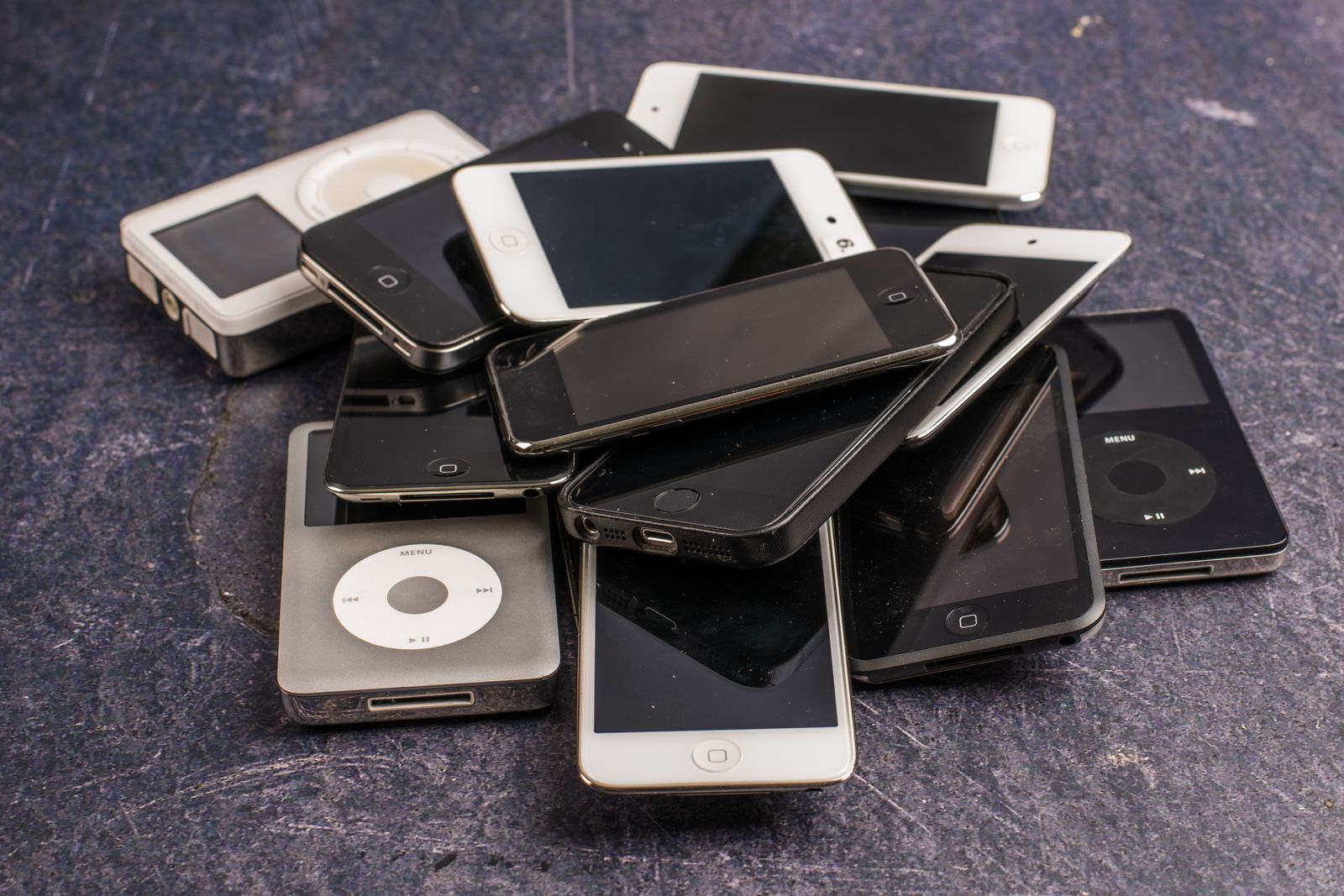
The wardrobe clear-out has an entire industry devoted to it. The drawer full of dead phones gets a shrug — yet it's usually worth more than the clothes.
Vinted and Depop have made selling garments almost frictionless, but most of what a British household actually has to sell isn't fabric. It's old handsets, a shelf of paperbacks, a games console from two flats ago, and furniture that won't fit the new place. Each category has its own market, and using the wrong one is how a £120 phone becomes a £40 disappointment.
Tech: get three quotes before you shrug
For phones, consoles, tablets and games, the choice is trade-in versus marketplace, and the gap between them is the whole game. CeX quotes on the spot in branch or online — and quotes two prices, because the voucher offer is always a healthy chunk above the cash one. musicMagpie does the same trade by post: scan the barcode or IMEI, get a price, send it in free.
Then check what the thing actually fetches on eBay using the "sold items" filter — not asking prices, sold prices. The pattern is consistent: trade-in sites pay somewhere around 20–40% less than a private sale, which is the fee for instant certainty. Since late 2024, eBay has charged private sellers no final-value fees in the UK (a buyer-protection fee added in 2025 gets baked into what buyers see), so the marketplace side of the ledger looks better than it has in years.
The rule of thumb: under about £30 of value, take the trade-in and get on with your life. Above it, the eBay premium starts paying for the faff of photographing chargers.
The condition-grading game
Trade-in quotes are provisional until your item is inspected, and this is where the money quietly leaks. A phone quoted as "good" that arrives with a scratched screen gets re-graded and re-quoted, usually downward, and by then it's in a warehouse and the path of least resistance is accepting less. Protect yourself the boring way: describe honestly when you get the quote, photograph everything before it goes in the post, and note the condition definitions — "good" means something specific to each buyer. Wipe your data and remove activation locks first too; a handset still signed into an account is worth nothing to anyone and will bounce straight back.
Books, CDs and DVDs: scan, don't list
Individually listing paperbacks is a hobby, not an income. The scan-and-send trade — Ziffit, WeBuyBooks, musicMagpie again — is built for volume: point the app at each barcode, watch the offers stack up, and send the whole box in via free courier or drop-off once you clear the small minimum.
Expect 30p to £3 for ordinary titles, with the occasional out-of-print or academic book jumping to £10-plus — always scan before you donate, because you cannot tell by looking. A full bookshelf commonly clears £30–£60 for an evening of pointing a phone at spines, which is more than most of the books earned their authors. Recent textbooks are the exception worth listing properly on eBay, where the September student market pays real money for current editions.
Furniture and bulky stuff: Marketplace exists for a reason
Anything you can't post belongs on Facebook Marketplace: no fees, local buyers, collection instead of postage tears. Gumtree still shifts bulky items too, especially outside the big cities. The craft is mostly logistics:
- Price against reality. Search what comparable items near you are listed at, then undercut slightly — sofas and wardrobes are a buyer's market almost everywhere.
- State the terms in the listing. Collection only, cash or bank transfer on handover. Anyone who "wants to send a courier and pay by PayPal" for your wardrobe is running a scam script.
- Brace for no-shows. Half of "I'll come Saturday" evaporates. Take the first buyer who actually confirms a time, and keep a second interested party warm.
And when something genuinely won't sell, the British Heart Foundation collects furniture free for its stores, provided sofas and mattresses still carry their fire-safety labels. It pays nothing, but it beats a £30 council bulky-waste fee — which makes it worth about £30.
The time-value maths
A clear-out is a one-off job, so price your hours honestly. Ten £4 paperbacks listed individually on eBay is an afternoon plus ten trips to the post office; the same books through Ziffit is twenty minutes. A £250 phone justifies the full eBay treatment; a £15 DVD box set does not.
One genuinely cheering footnote: selling your own possessions isn't trading, so none of this touches the £1,000 side-income allowance or Self Assessment — HMRC only gets interested if you start buying things in order to resell them, or sell a single item for serious money.
The clothes were never the valuable part of the flat. Scan the shelves first.