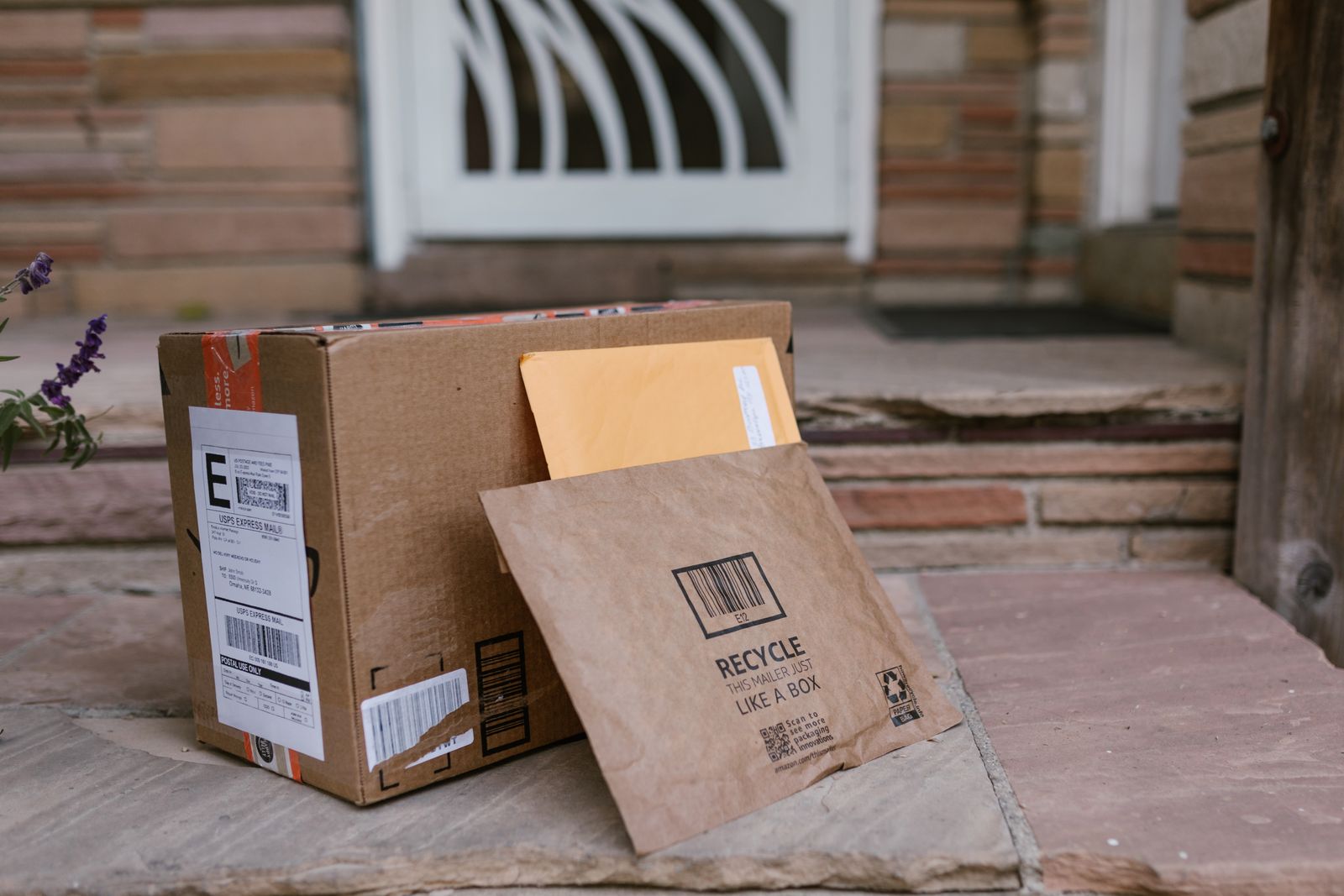
Free samples in Britain split cleanly into two kinds: the genuine ones — a sachet of washing powder, a baby-food pouch, a coffee pod — that brands post out to win you over, and the fake ones, which are a card-details transaction or a data-harvest dressed up as a gift. The first kind is worth having. The second kind costs you more than it gives. Knowing the difference is the whole skill.
The genuinely free sources
These post real samples with no card and no catch beyond an email address:
- Brand websites directly — the cleanest route. Coffee brands, cleaning brands, and pet-food brands run sample giveaways on their own sites. No middleman, no resale.
- [Sample sites] like Latest Free Stuff and Magic Freebies UK — aggregators that round up current legitimate giveaways. Useful, but read each offer's terms, not the aggregator's framing.
- Supermarket and brand loyalty apps — occasional free-product coupons (a free chocolate bar, a free drink) loaded straight to the app. No data beyond what the app already has.
- Baby clubs — Aptaclub, Emma's Diary, Bounty (and supermarket baby clubs) send genuine samples and vouchers to expectant parents. They do use your data for marketing, so use a dedicated email.
The traps to recognise
- "Free trial" that asks for a card. The sample is real; the auto-renewing subscription is the business model. Skincare and supplement "trials" are the worst offenders — you pay £40/month from week two unless you navigate a deliberately awkward cancellation.
- Survey farms. "Complete this 40-question survey to claim your free iPhone." The prize is theoretical; your answers are the product, sold on to data brokers.
- "Free sample, just pay £3.95 postage." Sometimes legitimate, often a card-capture. If they need your card for postage, assume a subscription is attached.
- Prize draws needing your phone number. The marketing texts are the only thing guaranteed to arrive.
How to claim safely
- Use a dedicated email for samples and signups — a free address you don't mind filling with marketing.
- Never give a card for a "free" sample. Free means free. A card means subscription.
- Decline phone number wherever it's optional.
- Check the unsubscribe works before you trust a brand with more.
What it's actually worth
Free samples won't change your finances — this is small money, a few pounds of products a month. The real value is trying things before buying (a £12 coffee, a £30 skincare item) and the genuinely free household and baby items that add up if you're stocking a new home or a new arrival.
The rule that keeps it worth doing: a free sample never needs your card. The moment one does, it isn't a sample — it's a sale with a delay built in.