

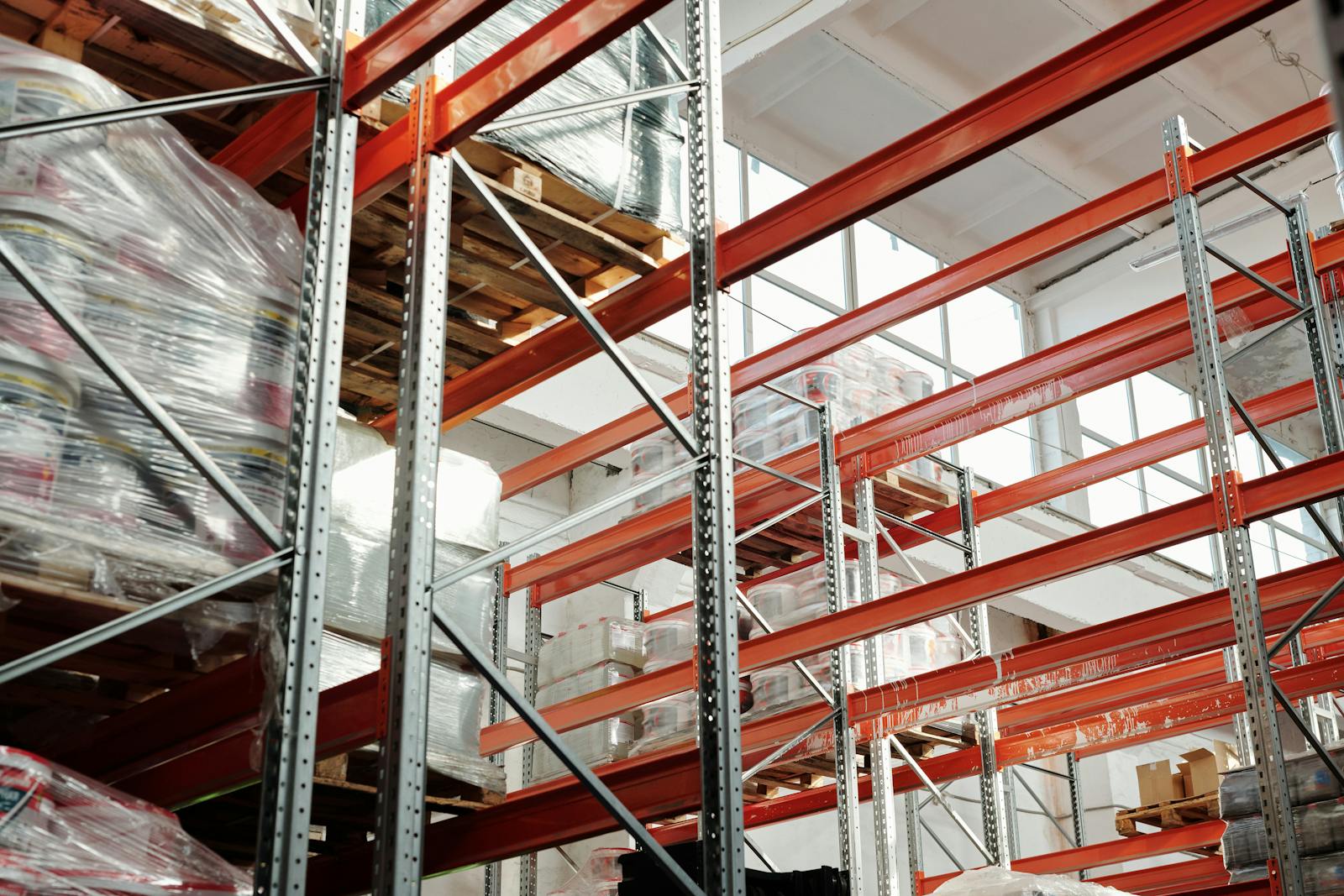
Warehouse and logistics work is the least glamorous entry on any jobs list and, for a lot of people, the most useful. It's the fastest route from "I need money starting next week" to a steady £13–£16 an hour, and with the right shift pattern a 40-hour week clears £30,000–£35,000 a year — more than many graduate jobs, with no degree and a start date measured in days.
The catch isn't finding the work. It's understanding how the pay is actually built.
The night-shift premium is the whole game
Daytime warehouse work pays around the National Living Wage. Nights and weekends pay a premium — often 20–30% more per hour, sometimes a flat uplift of £2–£4. That premium is where the £35k comes from.
- A £12.50 day rate becomes £15–£16 on nights.
- Weekend overtime frequently pays time-and-a-half.
- A 40-hour week weighted toward nights and a weekend shift is the difference between £26k and £35k for the same employer.
If you can sleep during the day, prioritise night shifts. It's the single biggest lever on take-home.
Direct employment beats agency — eventually
Most warehouse jobs start through an agency (Staffline, Gi Group, Blue Arrow). Agency work gets you in fast, but:
- Agency pay is often slightly lower than the employer's direct rate.
- You may not get the same holiday pay, sick pay, or shift guarantees.
- After 12 weeks, the Agency Workers Regulations entitle you to equal pay with direct staff doing the same job — know this and claim it.
The play: take the agency role to start earning now, then apply for a direct contract at the same site. Direct staff get better rates, pensions, and stability.
Who actually pays well
- Amazon fulfilment centres — high volume, structured pay, lots of overtime in peak (Oct–Dec).
- Supermarket distribution centres (Tesco, Asda, Lidl DCs) — often the best-paying warehouse work, with strong overtime.
- DHL, DPD, Royal Mail — parcel sortation, heavy night and weekend premiums.
- LGV/HGV driving — if you get the licence (employers increasingly fund it), driving pays £32k–£45k and the shortage means leverage.
The HGV upgrade
If warehouse work is the floor, an HGV licence is the ceiling within reach. A Class 2 (rigid) or Class 1 (artic) licence costs £2,000–£3,500 to obtain — but a growing number of employers and the government's Skills Bootcamps fund it for free in exchange for a job commitment. Once qualified, driving pay starts well above warehouse rates and rises fast.
What to weigh up honestly
- It's physical and repetitive. Pick rates and step counts are monitored. The boredom is real and measurable.
- Night shifts cost you socially and take a toll on sleep. The premium is compensation for a genuine downside — go in knowing that.
- It's a floor with a ladder, not a trap. Warehouse → direct contract → HGV/team-leader is a well-trodden path that ends north of £35k.
If you need money this month, this is the fastest legitimate route to a real wage in Britain. The £35k is real — it's just built out of nights, weekends, and knowing which contract to sign.