
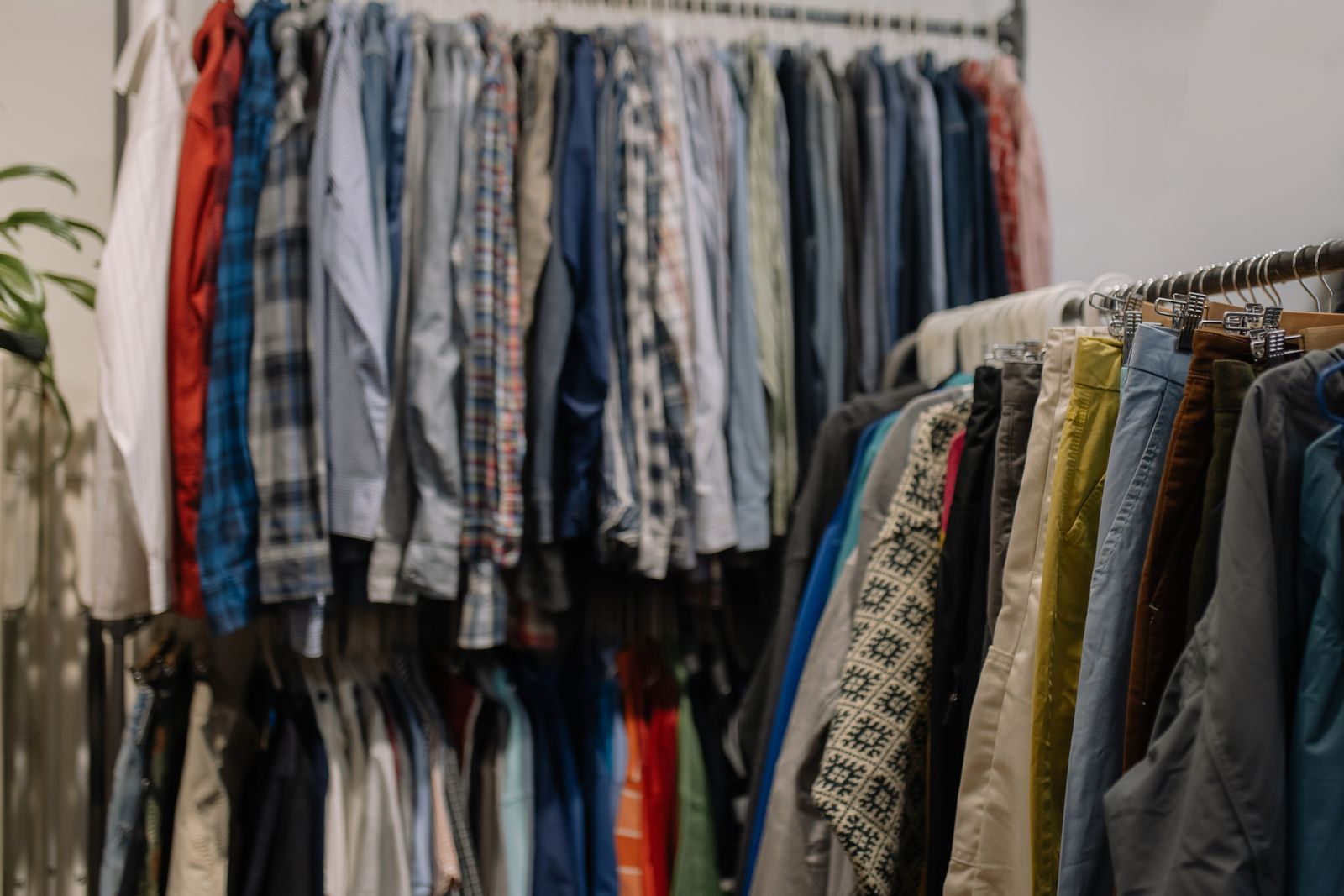
The stock in a charity shop is donated by the neighbourhood around it, which is why the same £5.99 price tag buys a very different shirt in Harrogate than in Hartlepool. Britain has over 10,000 charity shops, and treating them as interchangeable is the single biggest mistake people make with them. The chains price differently, restock differently, and sit in wildly different donation catchments — and once you understand those three things, the whole secondhand economy opens up.
The postcode is the product
Charity shops don't buy stock; they receive it. So a shop in an affluent area is effectively a clearance outlet for that area's wardrobes. The practical version of this rule:
- Wealthy suburbs and market towns beat city centres. Donations come from people clearing good things out, and the rents are low enough that pricing stays sane.
- University towns spike at the end of each academic year, when students dump barely-worn clothes rather than transport them home. June and July are the months.
- London's posh-postcode shops — the hospice shops of Chelsea, Richmond, and Hampstead, or Save the Children's Mary's Living & Giving boutiques — carry designer labels, priced accordingly. You'll pay £40 for a coat, but it's a £300 coat.
- Commuter-belt towns are the sweet spot: good donations, ordinary prices, no tourist mark-up.
A £20 train ticket to a richer town's charity-shop strip regularly outperforms a day trawling your own high street.
The chains have personalities
Once you've shopped a few, the patterns are unmistakable:
- Oxfam prices highest and knows what things are worth — its volunteers check labels and its dedicated bookshops price like proper secondhand dealers. Fewer bargains, better curation.
- British Heart Foundation is the mid-market workhorse, strongest on homeware and furniture through its dedicated Home stores.
- Cancer Research UK, Barnardo's, Sue Ryder, Age UK sit in the affordable middle — this is where the £4 jumper still exists.
- Independent hospice shops are often the cheapest of all and the most variable, because pricing is done locally by volunteers rather than head office. They're also where mispriced gems survive longest.
- Shelter and Mind vary heavily by branch; the boutique-style branches price up, the ordinary ones don't.
None of this is criticism — higher prices fund the charity either way. But if you're shopping to save money rather than to browse, the hospice shop beats the Oxfam boutique every time.
Timing: when stock actually appears
The steady-state of a charity shop is misleading, because the good donations sell within a day or two of hitting the rail. What matters is when they hit it:
- Monday and Tuesday are the classic days — weekend donations get sorted, steamed, and put out early in the week.
- Most shops put out fresh stock daily, often mid-morning once the sorting room has done its first pass. A 10.30am visit beats a 4pm one.
- January is the best month of the year: post-Christmas clear-outs and New Year purges flood the sorting rooms.
- After a bank holiday, donations pile up and shops spend days working through the backlog.
If you have a local shop you rate, ask the volunteers when they restock. They'll tell you — it isn't a secret, it's just never written down.
What to actually buy there
Charity shops are not uniformly good value. Some categories are absurdly underpriced; others you can beat elsewhere:
- Menswear is the great undervalued category — men donate good clothes and fewer men shop secondhand, so quality wool and decent shirts sit at £5–£8.
- Books, glassware, crockery, and picture frames go for a fraction of retail, and solid-wood small furniture routinely costs less than flat-pack.
- Kids' clothes and toys make more sense here than almost anywhere, given how briefly they're used.
- Fast-fashion labels are the weak spot — a £3.50 worn Primark top competes badly with new Primark. Check what the label would cost new before assuming secondhand means cheap.
- For specific searches — a named brand, a size, a particular book — Vinted or eBay will beat physical browsing. Charity shops reward the open-minded, not the shopping list.
The online rails
The chains have quietly moved their best stock online. The Oxfam Online Shop lists tens of thousands of items including vintage and collectables; British Heart Foundation and Barnardo's run substantial eBay stores where the sorted-and-photographed stock lands; eBay for Charity marks listings whose proceeds go to good causes. Prices online run higher than in-store — the whole point of the physical shop is that nobody has checked eBay first. But for anything specific, it means the charity sector is searchable now.
One last thing worth doing on the way out: if you donate, sign the Gift Aid form. It adds 25% to the value of your donation at no cost to you, and takes a minute once. The shops fund hospices, research, and housing charities on the margin between your old coat and someone's new one — a margin you're improving from both sides.
The charity shop is the rare high-street institution where the person overpaying is still getting a good deal. Learn the postcodes anyway.