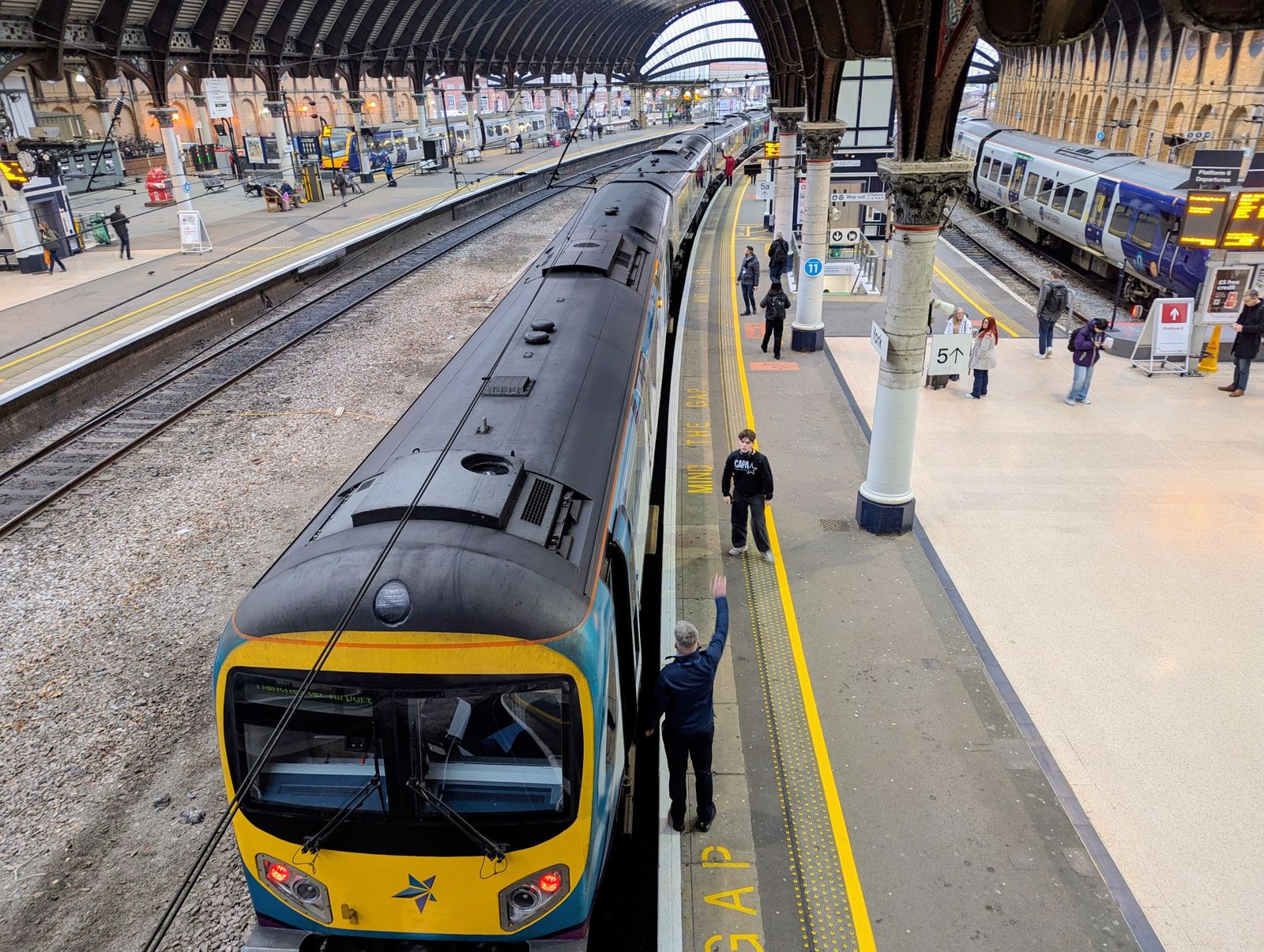
Britain runs one of the most expensive railways in Europe and then sells you a card that takes a third off almost every fare on it. The maths is so lopsided it barely needs arguing: a railcard costs around £35 a year, saves 1/3 on most off-peak fares, and therefore pays for itself the moment your annual spend on trains passes roughly £105. That is two return trips to see family. Most people who "do not travel enough to bother" are wrong by a factor of three.
The catch is not the price. It is that the railcard range has quietly grown to a dozen cards with different eligibility rules, and the one you qualify for is often not the one you have heard of.
The standard cards, and who each one is actually for
All of these give 1/3 off and cost about £35 for a year, with cheaper three-year versions on several:
- 16-25 Railcard — the famous one. Also open to mature students of any age in full-time education, which is the bit that gets missed. A three-year version takes the annual cost down sharply.
- 26-30 Railcard — same discount, digital only, for the age band that used to fall off a cliff.
- Two Together Railcard — two named people who travel together. Not valid before 09:30 on weekdays, which matters if your trips are commutes rather than weekends.
- Family & Friends Railcard — 1/3 off adults and 60% off children. With two children in tow it clears its cost on a single trip to the coast.
- Senior Railcard — 60 and over, and the lowest-friction card on the list.
- Network Railcard — the quiet one. Anyone over 16 in the South East can buy it, no age or status test. Off-peak only, with a minimum fare on weekdays, but if you live inside that zone it is a general-purpose discount for adults who qualify for nothing else.
The cards that cost less, or nothing
This is where the real money is, and where the marketing is thinnest.
- Jobcentre Plus Travel Discount Card — free, and worth 50% off off-peak fares. You get it from your work coach if you have been claiming for a qualifying period. Nobody advertises it. Ask for it by name.
- Disabled Persons Railcard — cheaper than the standard cards, gives 1/3 off for you and one adult companion, and the eligibility is broader than people assume: it covers receiving certain disability benefits, registered visual or hearing impairment, epilepsy treated with medication, and more.
- Veterans Railcard — discounted, open to anyone who has served at least one day in HM Armed Forces, with the same 1/3 off.
- 16-17 Saver — 50% off, not a third, including season tickets. If there is a sixth-former in the house this is the highest-value card on the network and it expires the day they turn 18.
The restrictions that decide whether it is worth it
Two rules do most of the damage:
The weekday morning minimum fare. On several cards — 16-25, 26-30, Network — journeys starting before 10:00 on weekdays carry a minimum fare of around £12. Short peak-time hops are effectively excluded. If your travel is a 20-minute commute at 08:15, the card does nothing for you and a season ticket or a bus is the better question.
Off-peak only, in practice. Most railcard discounts apply to Off-Peak, Super Off-Peak and Advance fares. Anytime fares often take the discount too, but the saving lands where the fares are already cheapest. The card rewards people who can shift a trip by an hour.
Stack it with split ticketing
A railcard and split ticketing are not alternatives — they multiply. Splitting a journey into legs that are individually cheaper, on the same train, routinely takes another 20-40% off, and your railcard applies to each leg it is valid for. Trainline, Split My Fare and Raileasy all do the splitting automatically; the railcard goes in your account and comes off every leg. The savings compound quietly.
Two practical notes. Buy the three-year version if you will still qualify — the per-year cost drops by a third or more. And use the digital railcard in the app rather than plastic, because the card you cannot find at the barrier is a full-price fare and a bad morning.
The honest breakeven
Add up what you spent on trains last year. Be generous with the trips you forgot. If the number clears £105, the card was free money you declined. If it clears £300, which one trip to Edinburgh and a few weekends will do, you have been donating £100 a year to a train operating company for the privilege of not filling in a form.
The railway is not going to get cheaper. The discount on it is sitting there with a two-minute application and a photo.