

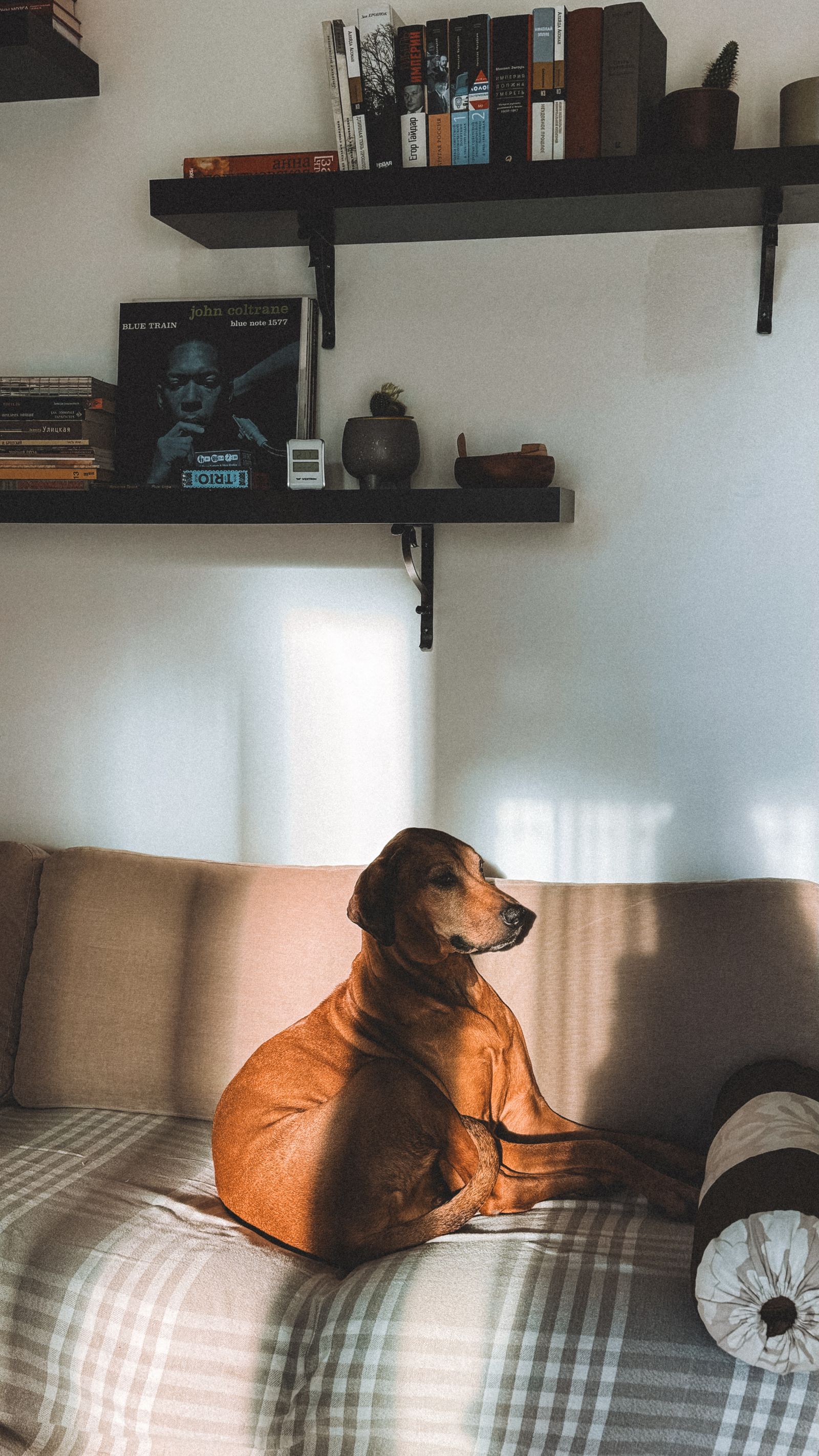
House-sitting is the closest thing to genuinely free accommodation in Britain that isn't a trap — you stay in someone's home, rent-free, in exchange for looking after their pets and plants while they're away. The trade is real and the savings are large, but it's competitive, requires flexibility, and is a lifestyle rather than a quick hack. Here's how it actually works.
The deal
- You pay nothing in rent. The homeowner gets free, trusted, in-home pet care (which would otherwise cost them £20–£50 a day in kennels or a sitter).
- You get a free place to stay — often a nicer home than you'd rent, sometimes with a garden, a car, a cat who's pleased you exist.
- The only money involved is the platform membership and your own food and travel.
The platforms
- TrustedHousesitters — the big one. A membership (roughly £100–£170/year depending on tier) lets you apply for unlimited sits worldwide. The annual fee is the catch people forget — but a single week-long sit pays for it many times over against a hotel.
- HouseSitMatch and Trusted House Sitters' UK rivals — smaller, cheaper memberships, fewer listings.
- Nomador, MindMyHouse — more international, worth a look for longer trips.
The membership model means one fee, then free stays — the more you sit, the cheaper each one effectively becomes.
What you actually commit to
This is the honest part the listings gloss over:
- Pet care is the job. Dogs need walking twice a day, every day; some pets need medication. You're tied to the home's routine, not a tourist's.
- You can't just leave. A sit is a commitment for its full dates — the owner is relying on you.
- References and a profile matter. New sitters with no reviews lose out to established ones. Build up with shorter local sits first, get reviews, then the better listings open up.
How to win the good sits
- Complete your profile fully, with ID verification and a friendly photo. Owners are trusting you with their home.
- Apply early and write a personal message — reference their pet by name, show you read the listing.
- Start local and short to build reviews, then aim higher.
- Be flexible on dates and location — flexibility is the single biggest advantage in a competitive system.
Who it suits
House-sitting works brilliantly for remote workers, freelancers, retirees, and anyone between tenancies or homes who can move around and loves animals. It works badly for anyone tied to one city with a fixed 9-to-5 and no interest in pets.
The honest maths
A membership of ~£130 a year against even a few weeks of rent-free stays is a massive saving — a month of sits replaces £800–£2,000 of rent or hotels. People genuinely live for long stretches this way, stringing sits together.
It isn't free money — it's a swap: your time, reliability, and love of someone's dog, for a roof. For the right person, it's one of the best trades going in Britain.