

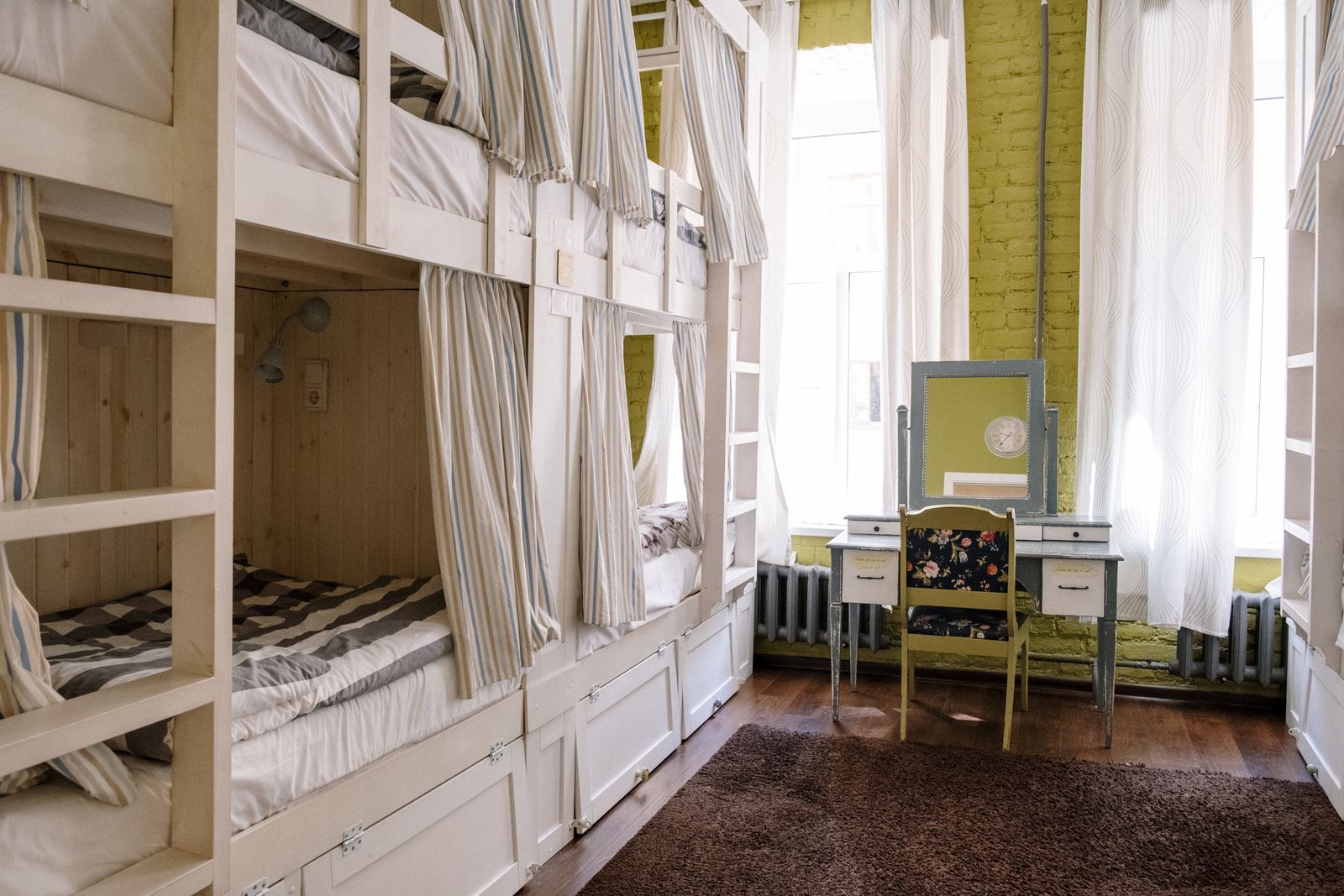
The classic hostel deal — twenty-odd hours of cleaning a week in exchange for a dorm bed — sounds like free accommodation right up until you divide the value of the bed by the hours. Sometimes it's a fair swap and a brilliant few months. Sometimes it's a below-minimum-wage job with a bunk instead of a payslip. The whole game is knowing which one you're being offered.
How the exchange works
Hostels run on flexible labour: reception cover, changeover cleaning, breakfast shifts, the occasional bar night. The standard arrangement gives you a staff dorm bed for something like 15–25 hours a week, sometimes with breakfast, laundry or a small allowance thrown in. Some hostels advertise for "workawayers" on a card at reception; plenty of long-term guests simply ask the manager and get a yes within the week, because a reliable person who's already there beats a stranger from the internet.
The good versions of this are genuinely good: a sociable base in a city or by a Scottish loch, a built-in social circle, and your biggest living cost deleted while you figure out the next move. The bad versions are a rota that swallows your week and a bed you can be turfed out of at a day's notice. Both are advertised with the same cheerful photos.
The platforms that broker it
If you'd rather arrange something before turning up, three names cover most of the market. Workaway charges around £40 a year and lists UK hostels alongside B&Bs, smallholdings and the odd eccentric with a walled garden. Worldpackers is similar money and skews toward hostels specifically. HelpX is the cheap veteran of the pair — about €20 for two years. YHA also runs a proper, formalised volunteering programme, which is the tidiest version of the whole idea.
Whichever you use, the reviews from previous helpers are the actual product. Read them all, and message one or two reviewers directly — people are strikingly more honest in DMs than in public feedback about whether "20 hours" meant 20 or meant 35.
Timing matters as much as the platform. Coastal and Highland hostels are desperate for help from Easter to September and want nobody in January; the city hostels churn helpers year-round. Apply four to six weeks out for summer positions in the pretty places, because the good hosts — the ones with the glowing helper reviews — fill up the way good flatshares do.
The maths, and the legal wrinkle
Be clear-eyed about the exchange rate. A dorm bed worth £600 a month, against 20 hours a week — call it 86 hours a month — values your work at about £7 an hour. The National Living Wage is now north of £12. That gap is the hostel's margin, and it's also where the law gets interesting: a commercial business taking set hours of rostered work in return for accommodation can cross the line into an employment relationship, at which point minimum wage rules apply whether anyone signed anything or not. The rules here are genuinely murky and depend on the specifics — Citizens Advice is the right place to check where a given arrangement sits. Genuine volunteering for charities is a different, cleaner category, which is part of why the YHA scheme feels less awkward than some hostel deals.
None of this means don't do it. It means the fewer the hours and the looser the obligation, the fairer — and more legitimate — the exchange.
Agree the details before your first shift
Work-for-bed arrangements go wrong on vagueness, so pin down, ideally in writing, even if it's just a message thread:
- The hours cap, per week, and what happens in peak season when they'd love "just a few more".
- Which bed — long-term helpers have a way of migrating to the worst bunk in the loudest dorm.
- Days off, actual ones, where nobody can knock because reception is short.
- What's included beyond the bed: breakfast, laundry, lockers.
- Notice, both ways. If it ends on a Tuesday, you're homeless on a Tuesday — know how much warning you get.
- Illness. If you can't work a week, do you still have a bed?
A manager who answers these cheerfully is offering the good version. A manager who waves them off is telling you the hours will creep and the bed is conditional on not asking questions.
When it's worth doing
As a way to travel Britain slowly, sit out a between-jobs gap, or test a city before renting in it — genuinely good, and the sociable hostel version of it beats paying £750 for the privilege of loneliness somewhere. As a housing strategy, it fails on one hard number: your wage is zero. You can defend money you have, but you can't save any, and every month inside the arrangement is a month your CV and your deposit fund both stand still. Give it a fixed end date before you start.
Free accommodation that costs 80 hours a month isn't free. It's a job — so interview your employer like it's one.