

TopCashback and Quidco get all the coverage, but the steadiest cashback in Britain comes from things that never call themselves cashback sites at all.
Sites reward the shopping you plan: click through, buy, wait months for it to track. The quieter layer — current accounts, card-linked schemes, receipt apps — pays on the spending you were doing anyway, with nothing to remember at the till. None of it is life-changing money. All of it stacks.
Current accounts that pay you back
Two banks have made cashback the actual product. Chase pays 1% back on everyday debit-card spending, capped monthly at around £15 and with conditions attached after your first year — check the current terms before you rely on it, because they've shifted more than once. For a household putting £800 a month through the card, that's £8 or so back without a single click.
Santander Edge takes the utility-bill angle: a £3 monthly fee buys you 1% back on household bills paid by direct debit and 1% on supermarket and travel spend, each capped at around £10 a month. The maths only works if your bills are substantial — a household with £500 of qualifying direct debits plus a real grocery spend nets perhaps £80–£150 a year after the fee; a light-spending flatsharer can end up paying £36 a year for £40 of cashback. Run your own numbers before switching, and remember switching itself often pays £100–£200 when the banks' incentive wars flare up.
Airtime Rewards: the one that pays your phone bill
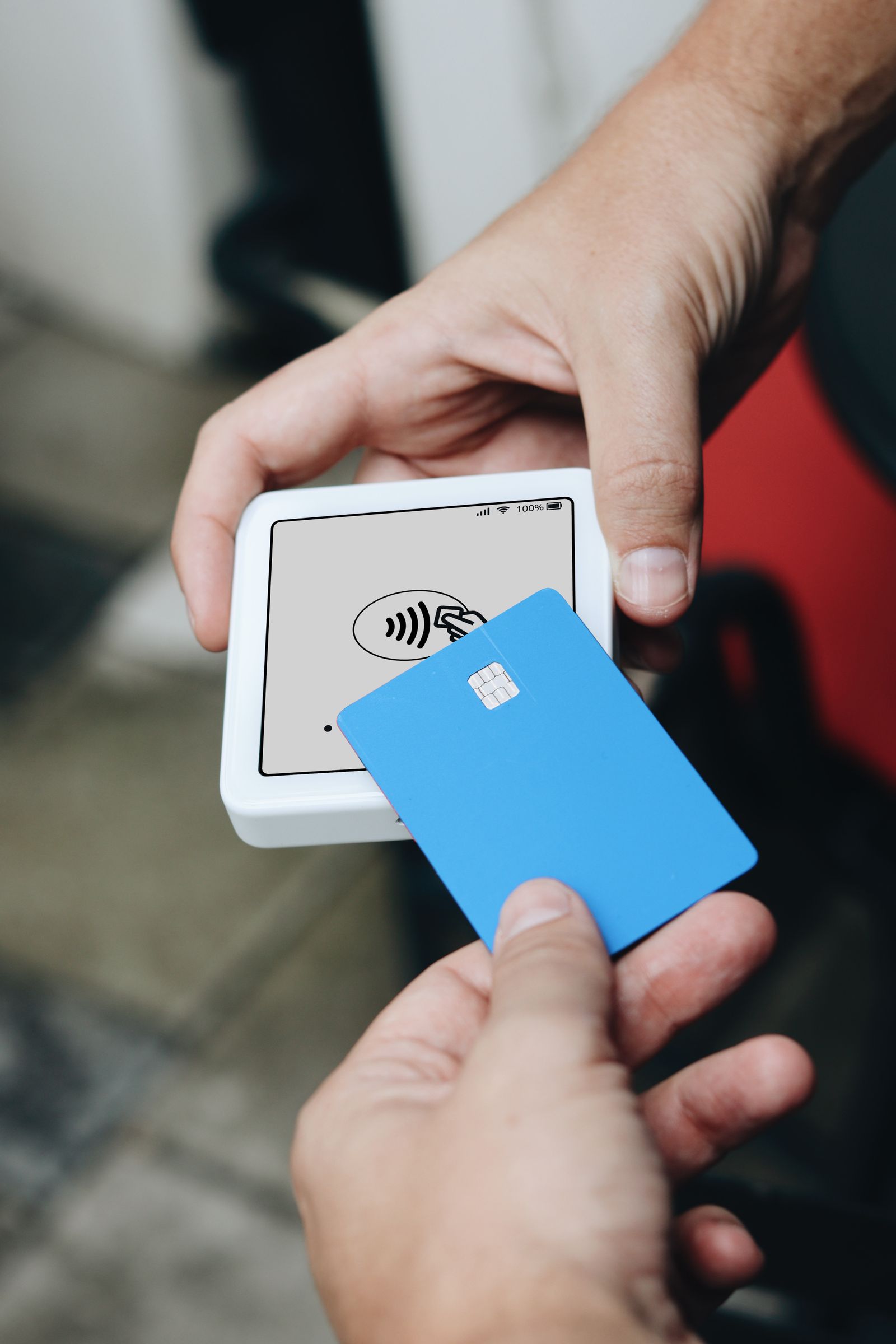
Airtime Rewards is the best cashback scheme most people have never opened. Link your debit and credit cards once, and spending at participating retailers — Boots and Halfords are long-standing names on the list — earns 1–10% automatically, no clicking through, no receipts. The balance pays down your mobile bill directly if you're on O2, EE, Vodafone, Three or giffgaff, redeemable in small chunks.
Because it's card-linked, it works in physical shops where cashback sites can't follow you. Realistic take: £3–£10 a month for someone who shops normally on the high street, which is £50–£100 a year for ten minutes of setup. It also stacks with everything else in this article, which is the point.
Receipt apps: small money, honestly labelled
At the bottom of the pyramid live the apps that pay for photographs of your receipts, essentially buying your shopping data. Shoppix turns scanned receipts into tokens that convert to a fiver's worth of vouchers every month or two of consistent snapping. Amazon Shopper Panel — invite-only, with a waiting list — pays £10 a month in Amazon credit for uploading ten non-Amazon receipts.
Be clear-eyed about the trade: you are selling a full record of your groceries for £40–£120 a year. That's a fair deal to some people and a creepy one to others. It is, at least, an honest one — the price is written down.
The failure modes
All of this money is small, which means the leaks matter proportionally more. The classics:
- Caps you've already hit. Bank cashback stops silently at the monthly ceiling; spending more earns nothing extra.
- Retailers leaving schemes. Card-linked offers rotate without announcement — the 6% at your favourite chain can be 1% next month. Check the app before a big spend, not after.
- Balances left to rot. Redeem little and often. A scheme's unclaimed balance is its business model, and yours shouldn't be part of it.
- Terms that shift. Especially bank accounts — the deal you signed up for rarely survives two years unchanged.
Stacking one shop three ways
The trick that turns pennies into real money is that these layers don't know about each other. A £60 spend at a retailer on the Airtime Rewards list, paid on a Chase card, bought via a cashback site's link if you're online, earns three times on the same transaction: perhaps £3 from Airtime, 60p from the bank, and whatever the site's rate is on top. Scan the receipt afterwards if you're a Shoppix sort of person and it's four.
The one iron rule: cashback is never a reason to spend. The schemes are priced by people who know that 5% back on something you didn't need is 95% lost. Stack the layers on the shopping you'd have done regardless, and refuse the tail-wagging.
What a year actually looks like
A representative haul for one adult with normal spending: £60–£120 from a bank account, £50–£100 from Airtime Rewards, £40 or so from a receipt app if you bother, before you've touched the cashback sites at all. Call it £150–£300 a year, arriving in increments too small to notice.
Nobody's quitting a job on it. But it's the change Britain's retailers leave on the table, and you walk past it every day anyway — pick it up.