A weekend festival ticket in Britain now runs anywhere from £80 to £300 before you've bought a warm lager or pitched a tent. And yet the biggest street party in Europe — two million people, fifty sound systems, a route through west London — charges nothing at the gate, because there is no gate. The free tier of British festivals isn't a consolation prize. Some of it is the main event.
The trick is knowing what's free, when it happens, and where the costs actually hide.
The street parties that stayed free
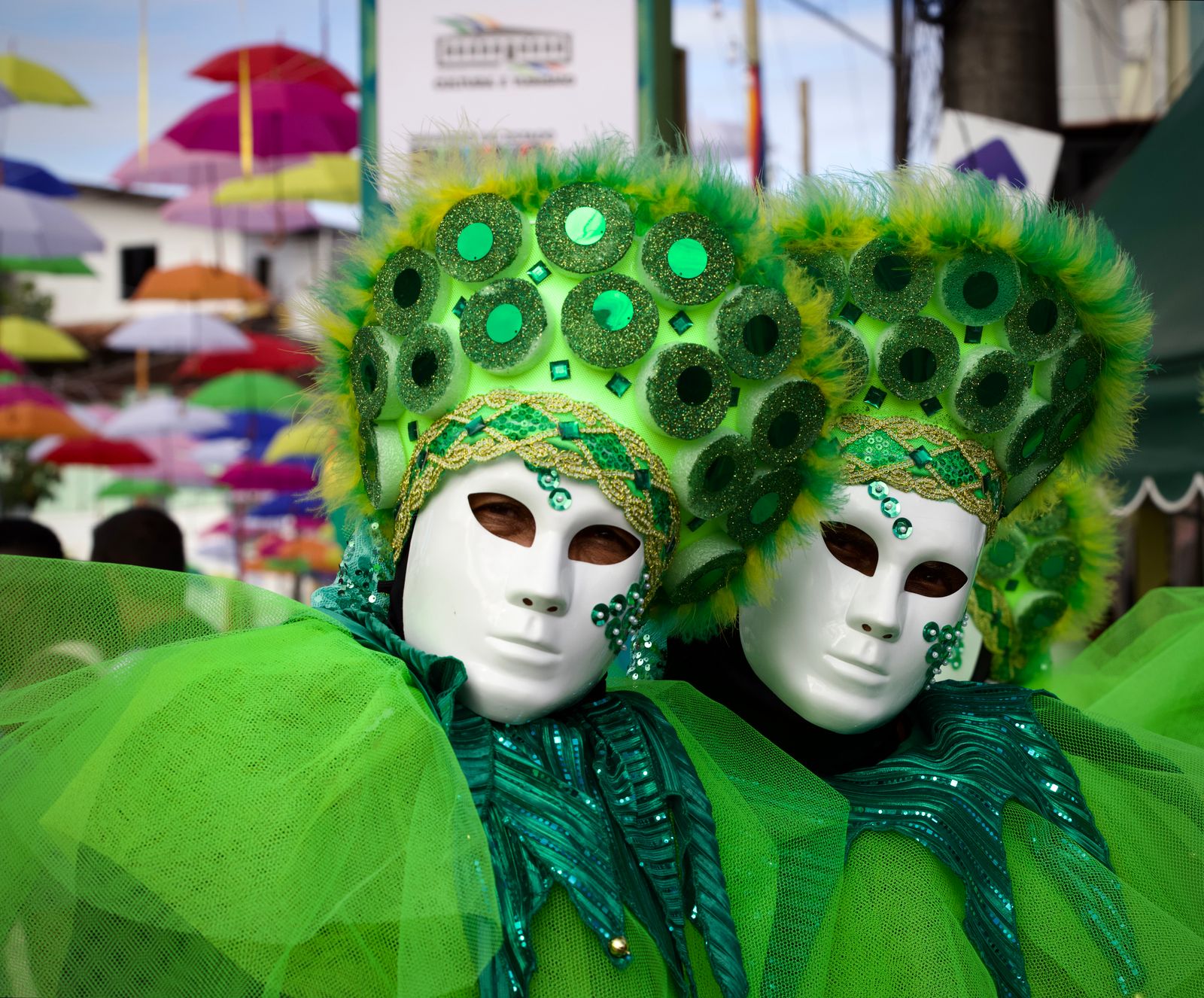
Notting Hill Carnival (August bank holiday weekend) is the headline act: free to attend, both days, all of it. Get there before noon if you want to move; bring cash for food but nothing else is asked of you. The same logic applies across the calendar:
- Chinese New Year (late January or February) — London's Trafalgar Square and Chinatown celebrations are the largest outside Asia, and Manchester, Liverpool, and Birmingham all run their own. Free, no tickets.
- St Patrick's Day parades (March) — London, Birmingham, and Manchester all run free parades and festivals.
- Pride (summer, city by city) — the marches and most of the street programming are free in nearly every UK city, though some main-stage arenas now ticket.
- Diwali in Leicester (October/November) — one of the biggest Diwali celebrations outside India: the lights switch-on and Belgrave Road festivities are free.
None of these require planning beyond turning up. The crowds are the price.
Fireworks: the free displays are usually better
Bonfire Night has quietly split in two. Ticketed displays now charge £10–£15 a head, which for a family of four is £50 to stand in a cold field. But plenty of councils and communities still run free displays — and because they're centrally funded, they're often the biggest show in the area. Check your council's events page in mid-October, not November; the free ones don't advertise hard.
The same applies to Christmas light switch-ons (free, usually with free entertainment attached, in more or less every town centre in the country) and New Year's Eve fireworks — London's main display tickets for £20, but Edinburgh's street party aside, most cities' waterfront and hilltop views cost nothing if you skip the official viewing zones.
The free fringe is real comedy, not a raffle
At the Edinburgh Fringe in August, alongside the £15-a-show paid programme, hundreds of shows run on the free model — PBH's Free Fringe and Laughing Horse's Free Festival being the big two. Entry is free; the performer passes a bucket at the end and you give what it was worth. Plenty of now-famous comedians spent years in those rooms, and the hit rate is better than the pricing suggests.
Brighton Fringe (May) and Camden Fringe (August) run free and pay-what-you-want shows on the same logic. If you're anywhere near a fringe city in season, this is the cheapest live comedy and theatre in the country — a full evening for whatever you drop in the bucket.
Food festivals: free entry, expensive exits
Most UK food festivals fall into one of two camps: ticketed (£10–£30 entry before you've eaten anything) and free entry — where the organisers make their money from the stallholders, not you. The free-entry ones are the better deal by definition, but they're also where the freebie mindset matters most:
- Samples are the point. Producers hand out tasters because it sells cheese. Graze the hall before committing to anything.
- Eat before you go, or set a limit. The £9 festival burger is the actual admission fee, invoiced at lunchtime.
- Go in the last hour. Stallholders discount rather than pack stock back into a van.
The honest catch
"Free event" means free entry — it doesn't mean a free day. Travel, food stalls, and the pint you'll inevitably want are where the money goes, and a free festival can still cost £40 by accident. The counter-move is the oldest one: eat first, carry a water bottle, and decide what you're spending before you leave the house. A free event with a £10 limit is still a tenner for a full day out — a number no ticketed festival in Britain can touch.
The calendar, roughly
- Jan/Feb — Chinese New Year (London, Manchester, Liverpool)
- March — St Patrick's Day parades
- May — Brighton Fringe free shows
- June–August — Pride marches, city by city
- August — Notting Hill Carnival; Edinburgh and Camden free fringe
- Oct/Nov — Diwali in Leicester; free council fireworks
- December — light switch-ons and Christmas markets (free to wander, lethal to shop)
Britain's events industry would like you to believe a day out has a ticket price. The calendar above says otherwise, every month of the year.