

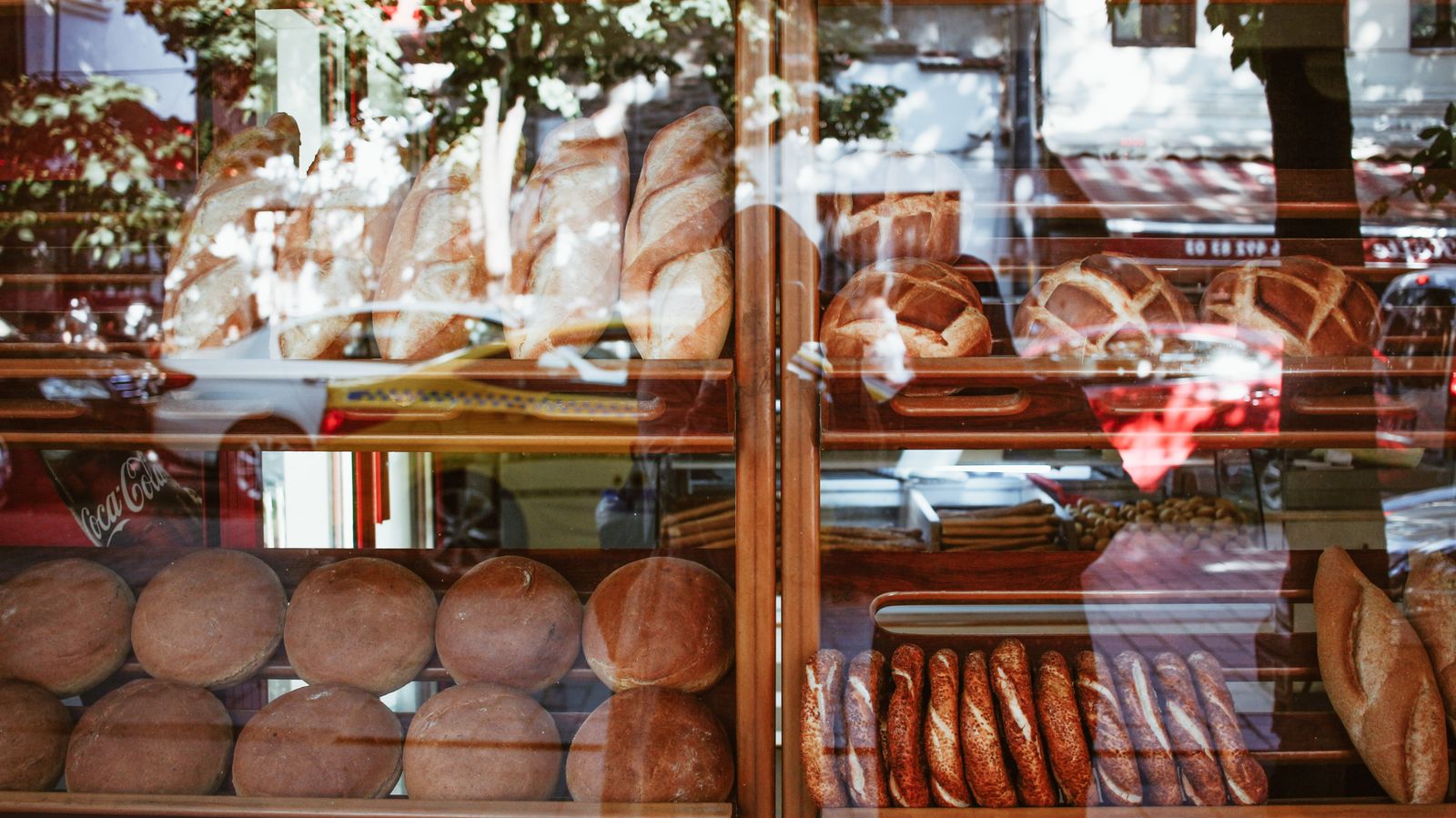
Britain throws away something in the region of 10 million tonnes of food a year, and a meaningful share of that is perfectly good stock sitting in a shop at 8pm with a date on it that expires at midnight. A small industry now exists to move that food to people for £3-£5 a bag, or for nothing. The food is real. The reliability is not. Knowing which app does what, and when, is the difference between a fortnightly windfall and a wasted trip across town.
Too Good To Go — the paid one, and the one worth learning
You pay around £3.50-£5 for a Magic Bag, a sealed surprise of whatever a bakery, supermarket, restaurant or café has left. The claimed retail value is roughly three times what you pay, and in practice that is broadly fair — the variance is in what, not how much.
What actually determines whether it works for you:
- Bakeries are the best value and the worst nutrition. A £3.50 bag from a chain bakery can be a genuinely absurd quantity of bread and pastry. You will be freezing most of it.
- Supermarket bags are the most useful and the hardest to get. These are the ones that go in seconds, usually released at a fixed time each afternoon. Set the notification for the specific store, not the category.
- Restaurant and grocer bags are the most edible. Fruit, veg, prepared meals — fewer carbs, more of an actual dinner.
- Collection windows are tight and non-negotiable. Usually 30-60 minutes at closing. Miss it and you have paid for nothing.
The strategy is unglamorous: reserve one or two stores near your normal route home, not the exciting one two miles away. A bag you can collect without a special trip is worth more than a better bag you drive to.
Olio — the free one
Olio is neighbours and businesses giving food away outright. Two streams run through it:
- Household listings. Someone is going on holiday, has over-ordered, or is clearing a cupboard. Free, collected from their door, entirely local.
- Food Waste Heroes. Volunteers collect unsold stock from supermarkets and shops at close and redistribute it through the app. This is where the volume is, and it lands in evening bursts — often after 9pm.
Olio rewards speed and geography. Listings vanish in minutes, so the app is only useful if you allow notifications and live somewhere with an active volunteer base. In a well-covered area it is the single best free-food source in the country. In a thin one it is a quiet app that never pings.
There is also a non-food half worth knowing about: Olio has become a serious channel for free furniture, appliances and household goods, on the same collect-it-yourself terms.
Gander and the yellow-sticker apps
Gander shows you live reduced-to-clear stock in participating stores — Nisa, Spar, Budgens and similar — before you leave the house. It is the yellow-sticker hunt with the guesswork removed: you can see the item, the reduced price and the store, then decide whether it is worth the walk.
It works best in convenience-store-dense areas and it will not replace a supermarket markdown run. But checking it before a 7pm trip to the shop costs nothing and occasionally rewrites the shopping list.
Company Shop and Community Shop — the members-only tier
Company Shop takes genuine industry surplus — mislabelled, over-produced, short-dated stock from manufacturers — and sells it at heavy discounts to people who qualify. Membership has traditionally been tied to working in the food industry, the NHS, emergency services, or receiving certain benefits through the sister Community Shop scheme.
If you qualify, this is not an app lottery. It is a whole shop with prices from another decade. It is also the least-known thing on this page.
Online clearance — the bulk option
Approved Food, Low Price Foods and similar sites sell short-dated and past-best-before ambient stock — cereal, tins, sauces, snacks — by the box. Delivery charges mean it only makes sense on a decent-sized order, and it is store-cupboard food rather than dinner. For a household stocking up, the per-item prices are hard to beat anywhere.
The two rules that make any of this work
Learn the difference between the two dates. Best before is quality and is advisory — ambient goods are routinely fine long after it. Use by is safety, applies to meat, fish and dairy, and is the one line not to cross. Nearly everything in the surplus economy is best-before stock, which is why it is legal to sell and safe to eat.
Own a freezer and use it. Every app on this list delivers food that must be dealt with tonight. A freezer converts a chaotic windfall into next month's meals, and without one the whole system produces guilt instead of savings.
None of this replaces a shop. It takes £15-£40 a week off one, for the price of paying attention at closing time.