

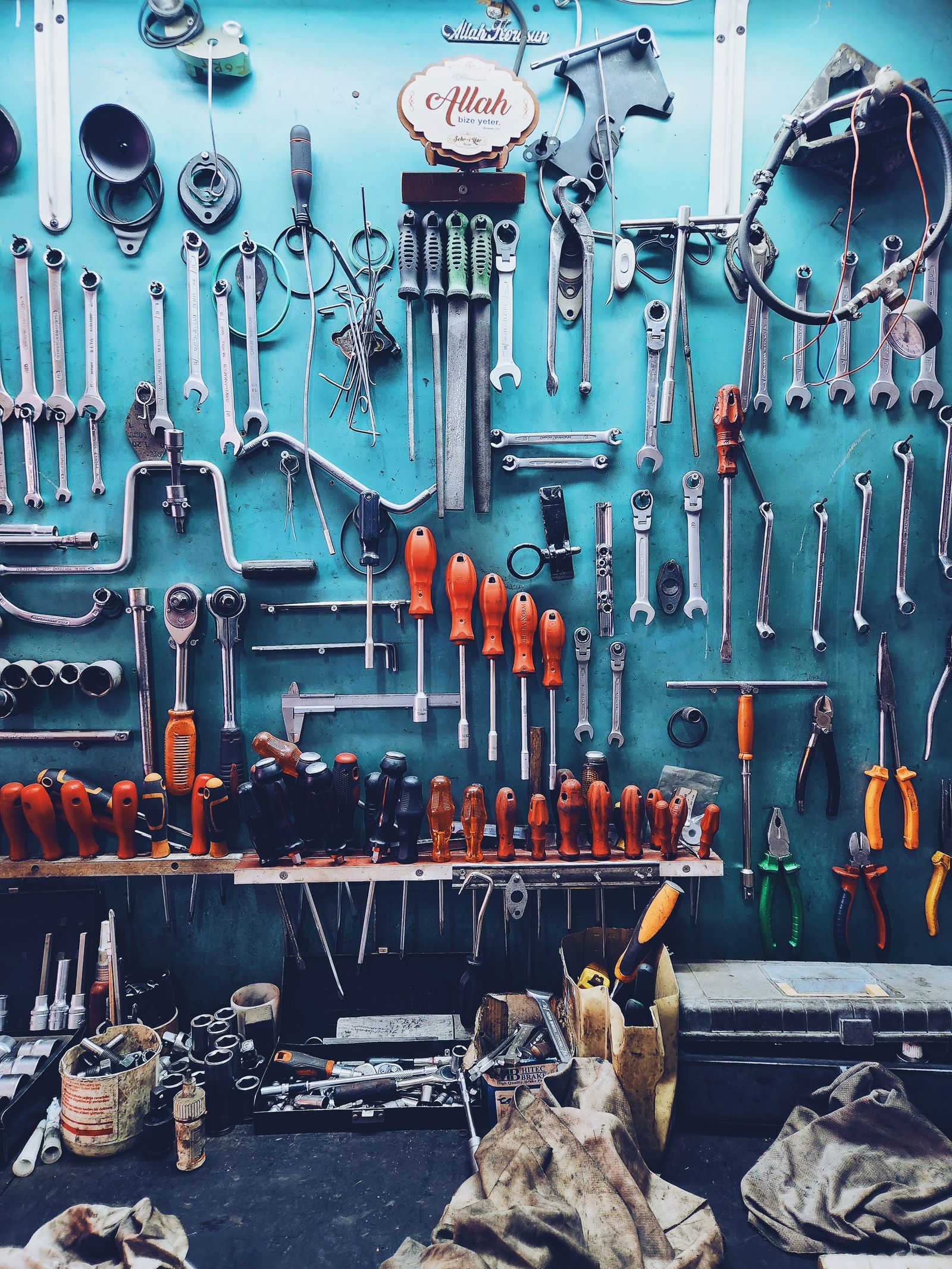
The average electric drill gets used for a matter of minutes across its entire life, and Britain keeps buying them anyway at £50–£80 a go. The same maths applies to the carpet cleaner used once a year, the pressure washer used twice, the tent that did one festival, and the gazebo in everyone's shed. The borrowing economy exists precisely for this shelf of regret — and its most polished version has moved into the same buildings as the books.
How a Library of Things works
Library of Things is the London-grown social enterprise that put self-service borrowing kiosks inside public libraries and community spaces. You book online, tap a code into a locker, and walk out with the drill, hedge trimmer, projector, sewing machine, carpet cleaner or sound system — then bring it back when the loan ends. Prices run from a pound or two a day for small tools up to roughly £10–£15 a day for the big-ticket items. Compare like with like: a carpet cleaner borrowed for around a tenner versus the £25–£30 a supermarket machine-hire desk charges, or the £150+ of buying one to store damp under the stairs. Most items also come with the thing manufacturers never include — a human being who can tell you how to use it, via guides and a support line.
Beyond London
The idea is older and wider than the capital:
- Edinburgh Tool Library — the UK's first tool library, lending thousands of tools for a modest pay-what-you-decide annual membership, typically in the £20–£40 range. It also runs workshops where you can use benches and get taught.
- Share:Frome — the Somerset library of things that proved the model works in a market town, lending everything from ladders to lawnmowers for a few pounds.
- Benthyg Cymru — Wales's national network of libraries of things, with branches from Cardiff to the valleys, explicitly built to spread the model to every community.
- Council libraries themselves — a growing number now lend beyond books, from sewing machines to energy-monitoring kits and thermal-imaging cameras for checking your home's draughts. Free, on the card you already have.
If none of those are nearby, search your town plus library of things or tool library — new ones open constantly, usually run by three determined volunteers and a spreadsheet. Expect to show ID or pay a small refundable deposit the first time; after that, borrowing takes less admin than a supermarket click-and-collect.
Toy libraries and seed libraries
The same logic reaches the two categories with the fastest obsolescence in any house. Toy libraries — many run by charities and children's centres — lend toys the way book libraries lend books, for free or a small annual fee, which matters when a toddler's attention span outlives nothing and a wooden kitchen costs £80. Rotating the toy box monthly for a fiver beats a hallway of abandoned plastic at £20 a piece — and the borrowed novelty lands exactly the same. Seed libraries, hosted inside a growing number of public libraries, hand out free vegetable and flower seeds each spring on the honour-system promise that you'll save and return seed from what you grow. A summer of salad for the cost of remembering to water it.
Repair Cafés: the borrowing economy's other half
Borrowing solves the things you rarely use; repair solves the things you use daily and were about to replace. Repair Cafés — free, volunteer-run sessions in halls and libraries, hundreds of them across the UK — will sit with you and fix the toaster, the lamp, the jeans, the bike. In London, the Restart Project runs the same model for electronics specifically. Nothing is charged; a donation tin sits by the biscuits. Even a 50% fix rate beats the certainty of a £40 replacement kettle, and you leave knowing how the thing works. Sessions typically run monthly on a Saturday; bring the broken thing, its cable, and any parts you've already bought in hope.
The maths
Run the numbers on one ordinary year. A carpet clean (£10 borrowed vs £150 bought), a pressure-wash of the patio (£8 vs £120), a drill for the shelf project (£3 vs £60), a tent for one festival (£15 vs £110), a repaired toaster (£0 vs £35): that's under £40 spent against roughly £475 of purchases avoided — before counting the cupboard space, which in a British flat is a currency all of its own. The savings repeat every year the stuff stays unbought.
There's a quieter benefit, too. Libraries of things are staffed and stocked by neighbours, and borrowing a ladder involves meeting one. The twentieth century sold everyone their own copy of everything; it turns out ownership was the subscription all along — and the library, as usual, had the better deal first.