England and Wales are criss-crossed by more than 140,000 miles of public rights of way, and using every inch of them costs precisely nothing. It is the largest free leisure facility in the country, maintained by law, signposted with yellow arrows — and the outdoor industry has spent thirty years persuading Britain that you need £400 of Gore-Tex and a subscription app before you're allowed on it. You don't.
The network you already own
A public right of way is exactly that: a legal right, not a favour. Footpaths, bridleways and byways cross private farmland, estates and moorland, and the landowner is obliged to keep them passable. On top of that, the Countryside and Rights of Way Act opened up mapped access land — mountain, moor, heath and down across England and Wales — where you can wander off the path entirely. Those green dashed lines and yellow-shaded areas on an Ordnance Survey map are the deeds to the whole thing.
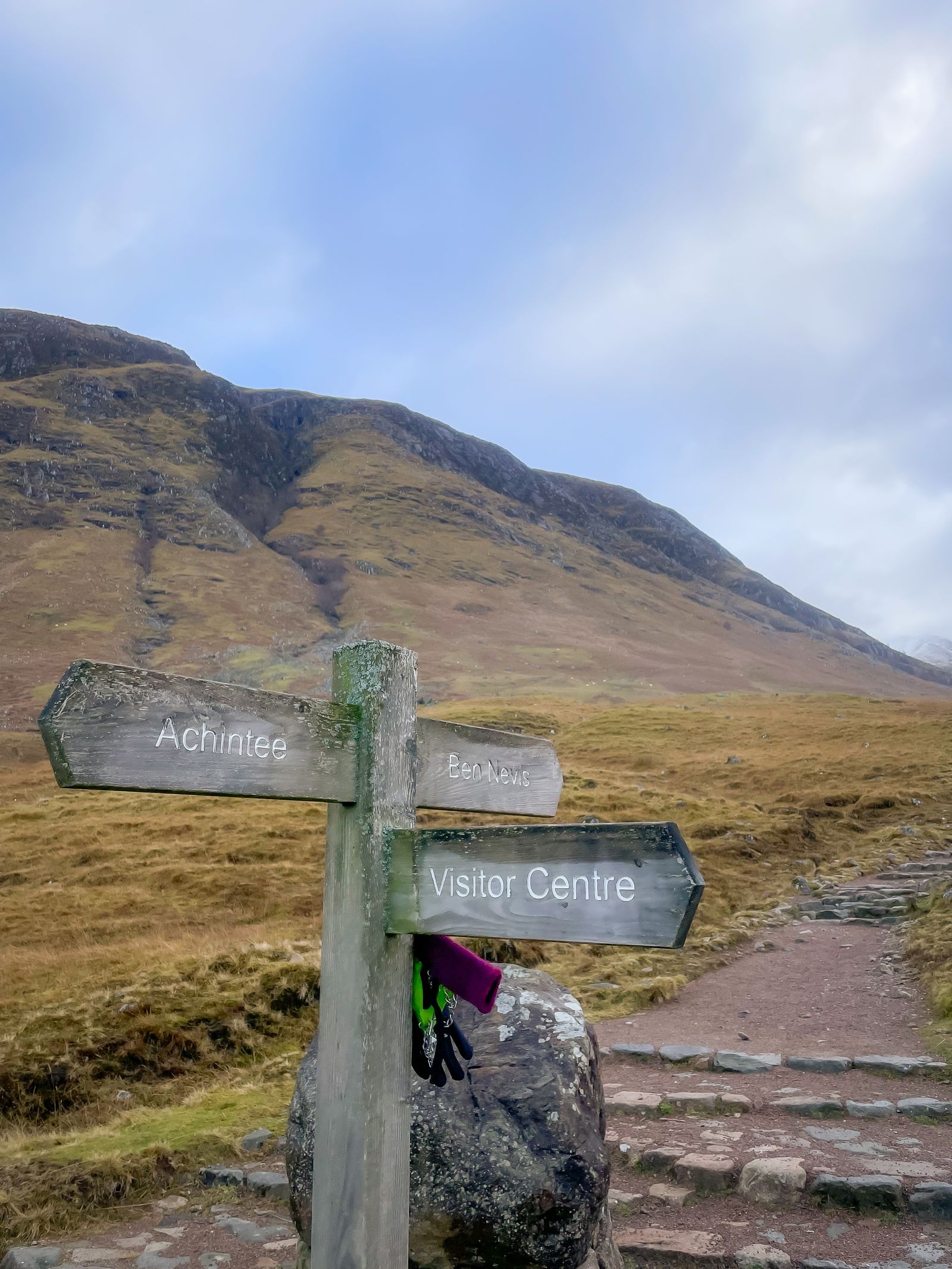
Scotland does it better. Since the Land Reform (Scotland) Act 2003, there's a right of responsible access to most land and inland water — the closest thing in the world to a full right to roam. Follow the Scottish Outdoor Access Code and you can walk, and even wild camp, more or less anywhere sensible. A weekend in the Trossachs costs the bus fare and your food.
The National Trails, priced at £0
Britain's flagship routes are free too. England and Wales have sixteen National Trails — the Pennine Way's 268 miles, the South West Coast Path's 630, the Ridgeway rolling along a track older than Stonehenge — and the King Charles III England Coast Path is still opening in stages, on its way to wrapping the entire English coastline. Scotland's Great Trails add another couple of dozen routes, headlined by the 96-mile West Highland Way. There is no ticket, no permit, no booking system. What costs money is sleeping and getting there, and both flex: youth hostels and campsites at the budget end, and you can walk any trail in day-sized pieces from home using the bus, one flat single fare at a time.
Guided walks that cost nothing
If setting off alone doesn't appeal, the free layer is bigger than most people know:
- Ramblers Wellbeing Walks — short, led group walks all over Britain, free, no membership required, aimed squarely at beginners. Full Ramblers membership, with its enormous led-walk programme, runs around £40 a year if you get hooked.
- Council and NHS health walks — most local authorities run free weekly walks; search your council's website.
- Park and nature-reserve walks — Wildlife Trusts and country parks run free guided wanders, especially in spring and autumn.
These exist because walking is the cheapest public-health intervention Britain has. Take advantage.
Maps without the subscription
OS Maps premium is decent value at roughly £30 a year if you're out every weekend — but it's not the entry fee it pretends to be. The free routes in:
- OS Maps' free tier covers basic mapping and route plotting.
- Komoot gives you one full region free, forever — enough for everything within an hour of home.
- AllTrails' free tier handles popular routes with reviews, useful for judging mud levels.
- Paper OS Explorer maps cost about £10, never run out of battery, and some library services will lend them.
Whichever you use, the habit that matters is checking the route before you leave and telling someone where you're going. That part has always been free.
Kit without the Gore-Tex tax
The outdoor industry's dirty secret is that for lowland Britain, most of the wardrobe is optional. Spend properly on one thing — footwear that fits, £50–£90 gets genuinely good boots or trail shoes at Decathlon or in the sales — and go cheap on the rest. Charity shops in market towns near popular walking areas are reliably full of barely-worn fleeces and waterproofs at £5–£15, donated by people whose enthusiasm outlasted their knees. Vinted does the same job from your sofa. A £2 foil blanket and a charged phone cover the safety margin for day walks. The £200 jacket is for Scottish winters, not the South Downs in May.
The maths is the same as ever
A family day at a paid attraction clears £60–£100 before food. A day on the coast path, the towpath or the moor costs the transport and the sandwiches — call it £10–£20 all in, less if you start from your doorstep. Do that twice a month instead and the difference funds a proper holiday.
Britain argued for centuries over who owns the land. The footpath network is the truce — and it's the best-funded free venue in the country, open every day, starting at the stile at the end of your street.