The bus is the cheapest motorised way around Britain and comfortably the worst-explained. Train fares get apps, campaigns and annual outrage; bus fares get a laminated sign by the driver, three overlapping ticket types and a cap that most passengers don't know exists. Sort the pricing out once and a town-sized life — commute, shop, weekend — runs on £10–15 a week.
The single-fare cap, and where it stands
England's bus fare cap launched in January 2023 at £2 a single and rose to £3 from 2025. It has been extended more than once, so before you plan around it, check your operator still honours it — participation is voluntary, route by route, though the big groups like Stagecoach and First Bus have broadly stayed in. Where it applies, a single is the same price whether you're going two stops or two counties across a rural route, which quietly makes long local journeys some of the best-value travel in the country.
The cap is an England scheme. Scotland, Wales and Northern Ireland run their own systems — less flat-fare drama, more generous free passes, which we'll get to. One quirk worth exploiting: because the cap applies per journey rather than per mile, the value scales with distance. A capped single on a two-hour rural route — the kind that would cost £8 or more at pre-cap prices — is one of the great remaining bargains in British transport, and coach-curious day-trippers have noticed.
London: the Hopper does the work
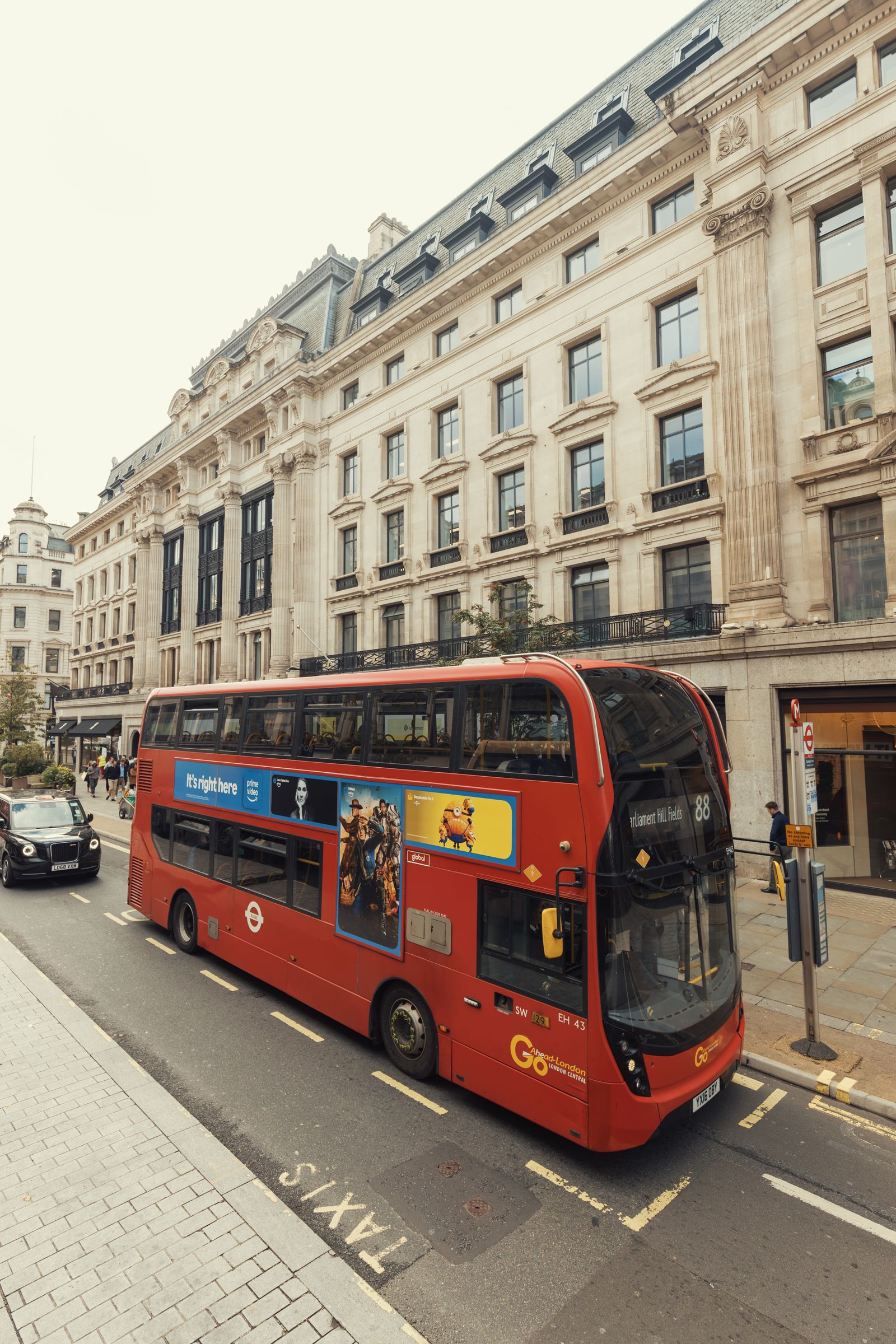
London sits outside the cap because it barely needs it. A bus fare is £1.75 with a contactless card or phone, and the Hopper rule gives you unlimited further buses within an hour of first touching in — a three-bus zigzag across town costs the same £1.75. The daily bus-and-tram cap sits around £5.25, so from the fourth ride onwards you're travelling free. Buses also don't charge peak fares, which the Tube does; for anyone whose commute can survive the extra twenty minutes, the bus is the arbitrage.
Manchester and the franchising wave
Greater Manchester took its buses back under public control, and the Bee Network holds singles at £2 with a day ticket around a fiver — cheaper than England's national cap, and one ticket works across operators. Liverpool City Region and West Yorkshire are following the same franchising route, which means multi-operator day tickets that used to require a spreadsheet to understand are being replaced with one price. If you live in a franchised area, ignore operator loyalty entirely: the network is the product now.
The day-ticket maths nobody does
Caps grab headlines, but the boring tickets often win. The rules of thumb:
- Three rides in a day usually beats singles — most operator day tickets cost about 2 to 2.5 singles
- A weekly ticket typically prices at eight or nine singles, so a five-day commute (ten rides) makes it automatic
- Operator apps — First Bus, Stagecoach and the rest — often sell mobile tickets cheaper than cash-on-board, plus carnet-style bundles for part-time commuters
- PlusBus, added to a train ticket for a few pounds, buys unlimited buses around your destination station — cheaper than two singles in most towns
The trap is defaulting to singles because they're the price on the sign. If you ride more than twice, you're probably overpaying.
Who rides free
Britain gives away more bus travel than almost anyone claims. In England, the older person's bus pass kicks in at state pension age and covers off-peak travel — after 9:30am on weekdays, any time at weekends. London goes earlier: the 60+ Oyster card brings free travel from your 60th birthday for a small admin fee. Scotland is the outlier in the good way — free bus travel for everyone under 22 as well as over-60s. Wales starts free travel at 60. Disabled person's passes run across all four nations, with companion rules that vary by council and are worth checking locally.
If you're eligible for any of these and haven't applied, that's potentially several hundred pounds a year sitting unclaimed at your council's website.
Making it work as an actual system
The bus rewards a little planning in a way trains don't. Traveline and the operator apps handle live times; Citymapper covers the big cities. Contactless is now standard on most fleets, so the exact-change era is over — but the cap and the Hopper only work their magic if you use the same card or device all day, so don't alternate between phone and card and accidentally pay twice.
Nobody brags about taking the bus, and that's roughly the point. While the rail network conducts its annual fare-rise theatre, the flat £2–3 single just keeps turning up every ten minutes, asking nothing of you but a tap.