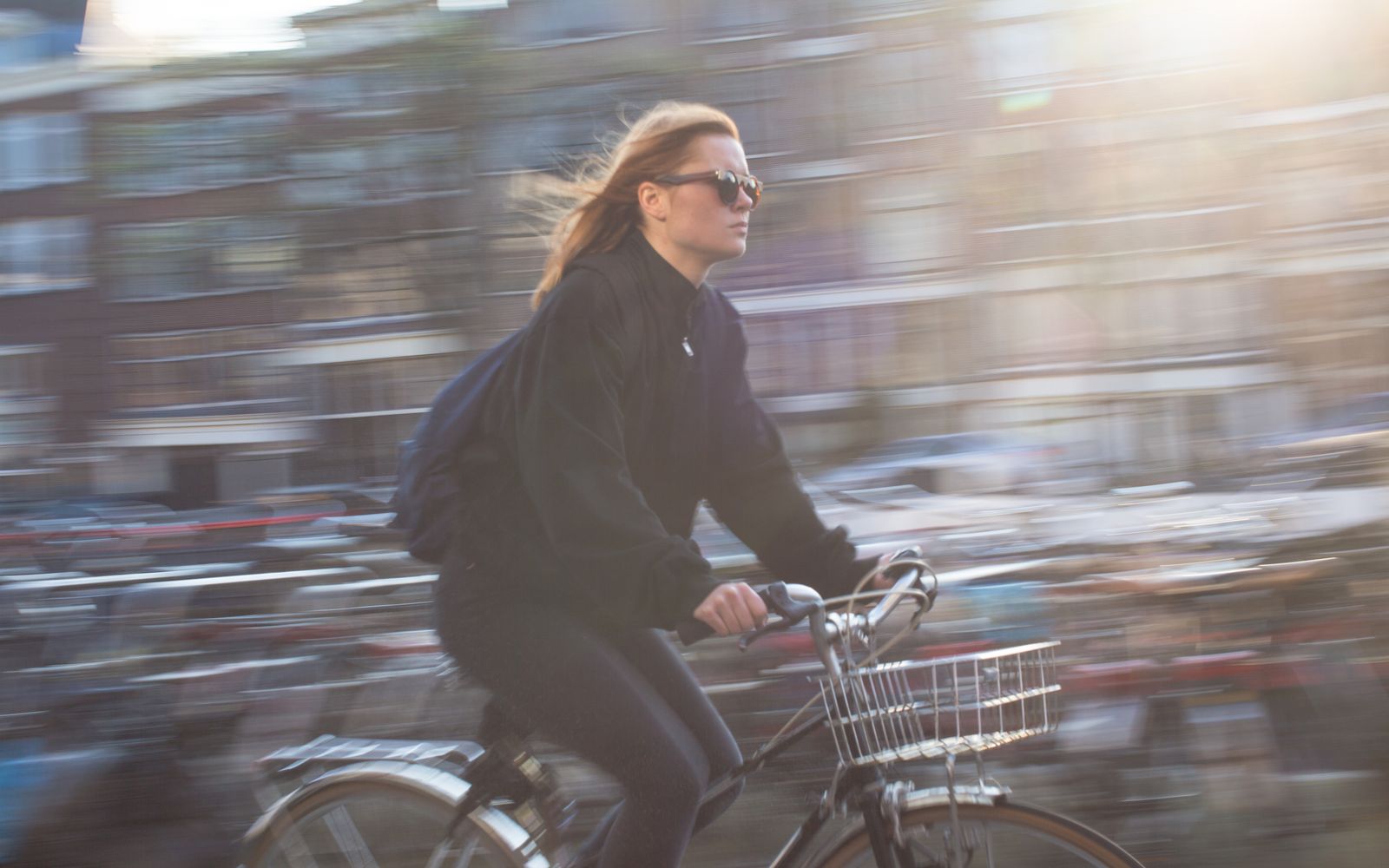
A bike is the cheapest way to move around a British city, and the maths is stark: a £150 secondhand commuter against a £70–£90 monthly bus pass pays for itself in about two months, then saves you the rest of your life. The barrier was never the running cost — it's the upfront price of a decent bike. Here's how to get past it for very little.
Cycle to Work — 32–42% off a new bike
The Cycle to Work scheme lets you buy a bike through your employer from your pre-tax salary, so you save the income tax and National Insurance you'd otherwise pay on that money.
- Basic-rate taxpayers save ~32%; higher-rate around 42%.
- The cost spreads over 12 months of salary, so a £1,000 bike costs roughly £57/month before the tax saving.
- Covers the bike and accessories — lock, lights, helmet, panniers.
- Providers: Cyclescheme, Cycle2Work, Green Commute Initiative (the last has no £1,000 cap).
The catch: your employer has to offer it, and you don't fully own the bike until a small end-of-scheme payment. For a regular commuter it's still the cheapest route to a new bike by a wide margin.
Secondhand is cheaper still
You don't need a new bike. A £150–£250 secondhand commuter does everything a £600 new one does.
- Facebook Marketplace and Gumtree — the volume is here. Meet in daylight, test-ride before paying.
- eBay — wider choice, check seller feedback.
- The Bike Project and refurbished-bike charities — bikes restored by social enterprises, often with a basic warranty.
- Police auctions (via eBay and local forces) — recovered bikes sold cheap.
Always check the frame for cracks, spin both wheels, squeeze both brakes. A worn drivetrain is cheap to replace; a cracked frame is a write-off.
Free repairs and maintenance
This is the bit that keeps it cheap long-term:
- Dr Bike sessions — free pop-up repair clinics run by councils, universities, and cycling charities. A mechanic gives your bike a once-over and fixes small faults for nothing. Search your council or Cycling UK for local sessions.
- Community bike workshops (the Bristol Bike Project, London Bike Kitchen, and dozens of others) — use their tools and expertise for free or a small donation, and learn to do it yourself.
- YouTube + a £15 tool kit — punctures, brake pads, and gear adjustment are genuinely DIY. The first repair is intimidating; the fifth is ten minutes.
The kit you actually need
Don't over-buy. The non-negotiables:
- A good lock (a cheap lock is a donation to a thief — spend £40+ on a Sold Secure Gold D-lock).
- Front and rear lights (legally required after dark).
- That's it. Lycra is optional; a rucksack works until you fancy panniers.
The honest total
A secondhand bike (£180), a proper lock (£45), and lights (£20) is about £245 all-in — less than three months of a city bus pass, and it lasts years. Cycle to Work makes a new one cost-competitive if your employer offers it.
The cheapest mile in Britain is the one you pedal.