
Shared e-bikes arrived in Britain priced like pocket change and have quietly crept toward minicab money. A 20-minute Lime ride across London now lands somewhere around £6–7 once the unlock fee and per-minute rate are done with you — more than the bus, more than the Tube, and repeated twice a day it becomes one of the most expensive commutes in the city. The schemes are still worth using. You just have to know which one, on which terms.
What the schemes actually charge
The pricing models split into two camps: pay-per-minute dockless, and flat-fee docked.
- Lime charges about £1 to unlock plus a per-minute rate in the high 20s of pence in London. Ride bundles and its subscription tier cut the effective rate substantially — the walk-up price is the worst price
- Forest, London's other big e-bike operator, gives every rider 10 free minutes a day, then charges per minute at a similar order to Lime. Used deliberately, those free minutes cover a short hop every single day for nothing
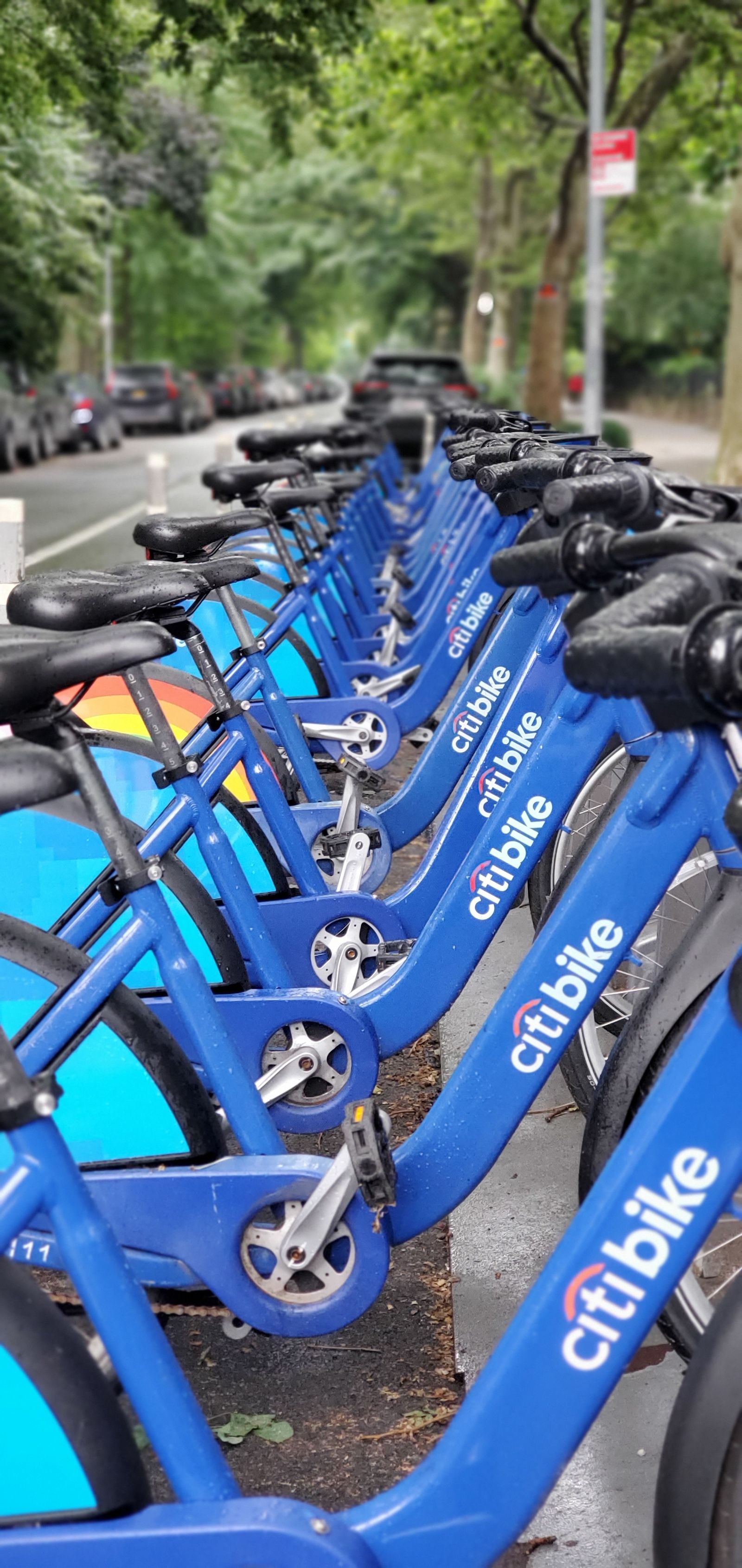
- Santander Cycles — London's docked scheme — charges £1.65 for a 30-minute ride on a mechanical bike, with e-bikes costing more. The membership is the sleeper deal: around £20 a month or roughly £120 a year for unlimited half-hour rides
- Beryl runs schemes from Bournemouth to Norwich and operates the Bee Network bikes in Greater Manchester; its minute bundles, bought in advance, bring riding down to a few pence a minute
Two things to check before assuming any of these numbers apply to you. Per-minute rates vary city by city — the same operator can charge noticeably less in Nottingham than in Zone 1 — and the app always shows the current rate before you unlock, so look. And mechanical bikes, where a scheme still offers them, are consistently cheaper than the e-bikes everyone reaches for; on a flat two-mile hop, the motor is a convenience you're paying a premium for, not a necessity.
The commuter maths
Do the sums on a daily 20-minute each-way commute and the schemes stop being interchangeable. On Lime at walk-up rates that's roughly £12 a day — comfortably over £200 a month, which is minicab territory for a bicycle. The same commute on a Santander annual membership costs about £120 a year, or 33p a working day for both legs, provided each ride stays under 30 minutes and your route has docks at both ends.
That's not a rounding-error difference — it's a factor of twenty. If you live and work within reach of the docking network, Santander membership is close to the cheapest motion in London after walking. If you don't, price up a Beryl or Lime bundle before defaulting to per-minute rates, because the walk-up price assumes you're not paying attention.
When hiring genuinely wins
There are trips where the shared bike beats everything, including owning one:
- One-way journeys — ride to the pub, get the bus home, no bike orphaned overnight
- No storage — a hallway landlord dispute or a shed-less flat makes ownership genuinely hard, and tens of thousands of bikes are stolen in Britain every year; on a hire bike, the theft risk is the operator's problem
- Occasional riders — a few rides a month never justifies buying, insuring and maintaining anything
- Late nights — a £4 e-bike ride home reliably undercuts a surge-priced Uber
- Rail add-ons — a hire bike at the destination station turns one train ticket into door-to-door transport
When owning wins
Ride five days a week and the maths flips fast. A serviceable secondhand hybrid costs £80–150 on Facebook Marketplace or Gumtree, upkeep runs perhaps £50 a year with free Dr Bike sessions handling the fiddly bits, and the Cycle to Work scheme knocks the tax off a new one if you'd rather not gamble on someone else's ex-commuter. Even after a decent lock and lights, an owned bike undercuts walk-up Lime rates within a month or two of daily use. The hire fleet's job is to be everywhere; your bike's job is to be cheap.
Keeping hire costs down
A few habits separate the people who find these schemes cheap from the people who find them extortionate. Buy the bundle or membership before the week starts, not after the expensive ride. Bank Forest's free daily minutes for the short errands. End every ride properly — inside the parking zone, app confirmed, photo taken — because out-of-zone and badly-parked penalties are where a £3 trip becomes a £13 one. And check the app's price before mounting, since rates vary by city and change without ceremony.
Ride them like taxis and they'll bill you like taxis. Ride them like the bus — membership, bundles, half-hour hops — and they're the cheapest wheels in town.