The queue at the European border now ends at a fingerprint scanner, and at some point it will start with a €20 form. Two separate EU systems — EES and ETIAS — are changing how Brits enter the Schengen area, and the gap between what they actually require and what the internet will try to sell you is where the money gets lost.
EES: the passport stamp is dying
The Entry/Exit System (EES) is the EU's replacement for the inky stamp. Instead of a border officer thumping your passport, your entry is registered digitally: on your first crossing you give fingerprints and a facial image, and after that the system recognises you and logs your entries and exits automatically.
The rollout began in October 2025 and was phased in across Schengen border crossings over the months that followed, so by now most Brits crossing into Europe have met it. Key facts:
- It costs nothing and there's nothing to apply for in advance.
- The first registration takes a few extra minutes; repeat crossings are quicker.
- At Dover, Folkestone and St Pancras, the juxtaposed French controls mean registration happens on British soil before you board — which is convenient, but also why peak getaway days deserve extra time in the schedule.
The practical change is queue management, not paperwork. The biometric record sits in the system for about three years, so this isn't a per-trip ritual — one slowish first crossing, then business as usual. Car passengers at Dover and coach parties get the same treatment via kiosks and handheld devices rather than a booth, and the ferry operators have been blunt that summer Saturdays will take longer than they used to. Turn up earlier than you would have in 2024; that's the whole cost.
Children are registered too, though under-12s don't give fingerprints — a facial image does the job. School trips and family crossings just need the extra minutes multiplied accordingly.
What EES quietly changes underneath
The less-discussed consequence: EES automates the 90-in-180-days count. Under the stamp system, a faded stamp and a generous border guard gave the disorganised some slack. The computer extends no such courtesy — every entry and exit is logged to the day, and overstays surface automatically.
If your travel involves long or frequent European stays, the era of counting on your fingers is over. Count properly (the European Commission publishes a free Schengen calculator), keep your own record of dates, and treat 90 days as a hard ceiling rather than an opening position.
ETIAS: the €20 form, eventually
ETIAS is the second system, and it's the one that costs money. It's a travel authorisation — explicitly not a visa — that visa-exempt visitors, including Brits, will need before entering the Schengen area. The known shape of it:
- €20, paid online (it was originally announced at €7 before being raised).
- Valid for three years, or until your passport expires, whichever comes first — so it's roughly the price of a coffee per year of European travel, not a per-trip charge.
- Free for under-18s and over-70s, though they still need the authorisation itself.
- Applications will run through the official EU website, take minutes, and the EU expects the overwhelming majority to be approved almost instantly.
On timing, honesty is required: ETIAS has slipped repeatedly, and the current plan has it starting in late 2026, after EES has fully bedded in — followed by a transition period of at least six months during which travellers without one will still be let through. Don't rearrange anything around a launch date until it's actually happened. The pattern so far suggests patience.
The copycat trap, already open for business
Here's where the real money is lost. Long before ETIAS goes live, unofficial "application assistance" sites have been ranking in search results, offering to submit your form for £40–80 — for a document that costs €20 and, at the time of writing, cannot be applied for at all.
It's the same industry that sells marked-up American ESTAs and charges for the GHIC, which the NHS issues free. The rule that defeats all of it:
- gov.uk for British travel advice, passport rules and the GHIC.
- The official europa.eu ETIAS pages when applications open.
- Nobody else, ever, for any of it.
If a site's design is urgent and its URL isn't one of those two, it exists to charge you a service fee for typing.
What to actually do now
The honest to-do list is short:
- For EES: nothing, except allowing extra time at the border on your first post-rollout trip.
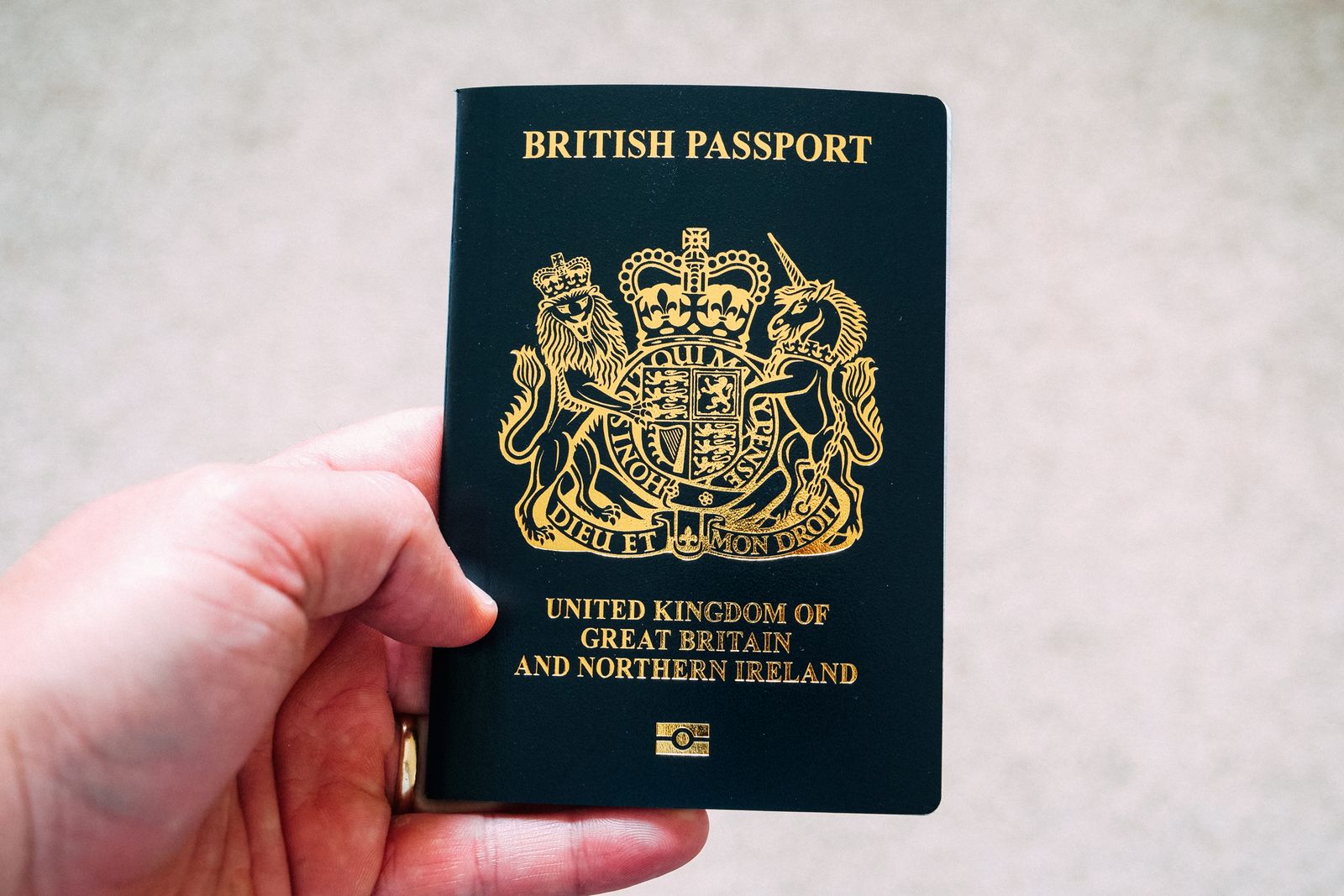
- Check your passport tonight — issued less than ten years before you enter, valid three months beyond your planned exit. This catches more Brits at the gate than either new system does.
- For ETIAS: diarise a check before any European trip from late 2026 onwards, apply through the official site when it's live, and ignore every ad that offers to help.
Brussels wants €20 and your fingerprints, once every three years. Anyone asking for more than that is selling you your own paperwork.