

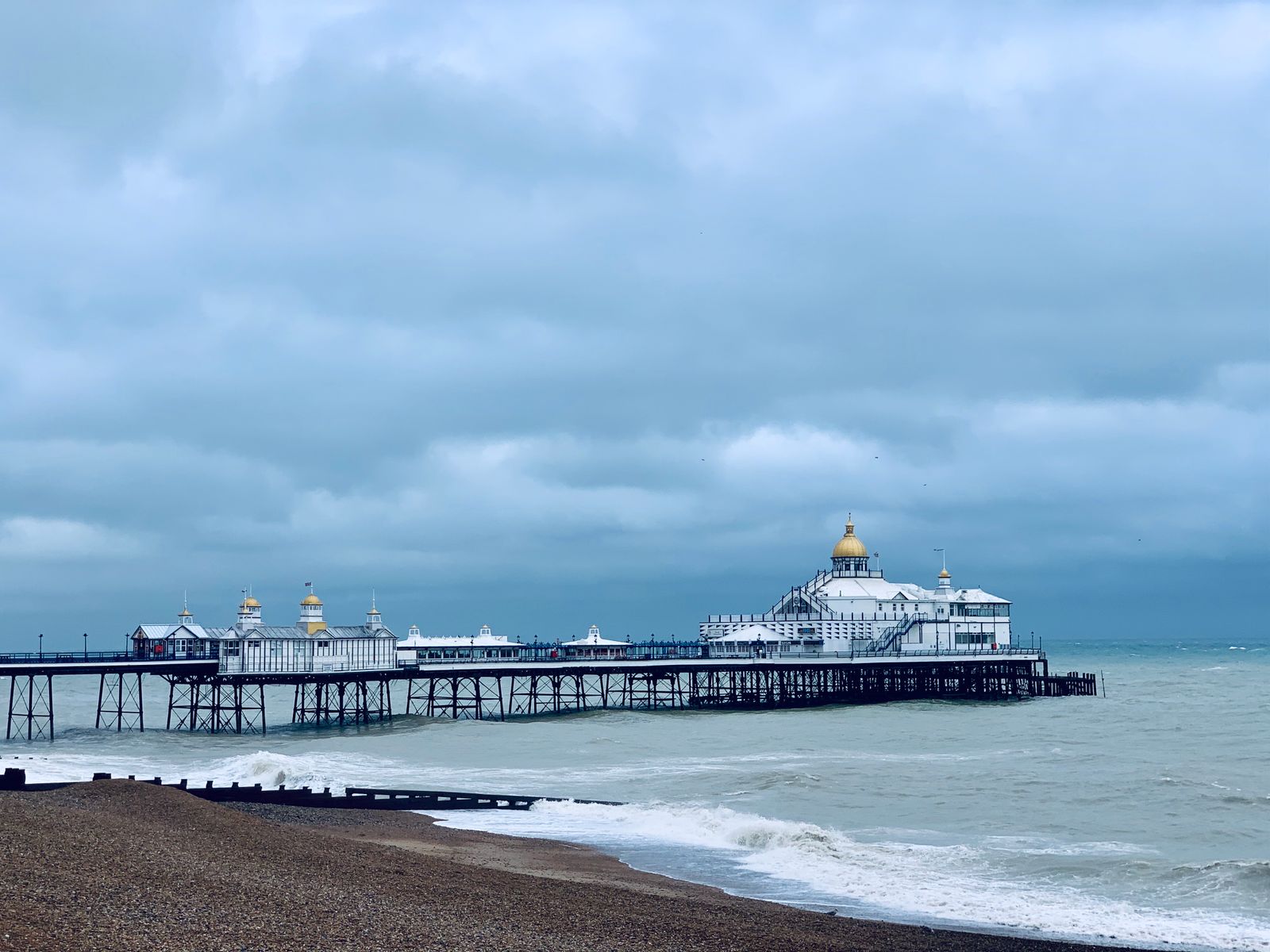
A British seaside town in February is the same town it was in August, minus about 80% of the people and a serious slice of the price. The sea is still there, the chips are the same chips, and the room that cost £110 on an August Saturday is £38 on a Tuesday in November. Almost everything about a cheap UK break comes down to that one observation.
The whole trick is the calendar
Coastal prices don't drift down in winter — they fall off a cliff. The expensive windows are school holidays, bank holidays and summer Saturdays; avoid those and you're shopping in a different market. The sweet spots:
- November to March, skipping Christmas, New Year and February half term.
- Sunday and Monday nights year-round — hotels empty out when the weekenders leave.
- The shoulder weeks — early May before half term, late September after the schools go back — if you want better odds on the weather.
Yes, it might rain. It also might rain in August, and in August you'll have paid triple for the privilege of watching it from a fuller pub.
Beds under £40
The budget bed situation on the coast is better than its reputation:
- Premier Inn runs regular sales with off-peak rooms from around £35, and coastal branches are exactly where those rates live. The rooms are identical in Margate and Manchester; only the price changes.
- Travelodge plays the same game, sometimes lower, with sale windows worth catching on their email list.
- YHA has hostels in some of the best coastal spots in Britain — dorm beds from roughly £15–20 off peak, and private rooms that undercut hotels for couples.
- Independent B&Bs in Yorkshire and Welsh resort towns quote winter rates that would embarrass a London Travelodge — ringing up and asking does no harm at all.
The quiet advantage: nearly all of this is priced per room, so travelling as a pair halves it. Two people in a £70-for-two-nights room are paying £17.50 a night each.
Getting there for about £25
Trains to the coast are cheap if you book like you mean it — Advance singles released roughly 8–12 weeks out, split tickets via Trainsplit when the through fare looks silly, and a £30 Railcard taking a third off everything if you qualify. Off-season, off-peak coastal routes are exactly where Advance fares stay cheap, and £20–30 return from a major city is a normal result rather than a lucky one.
If the train maths fails, National Express and Megabus serve most big seaside towns, and single-figure fares are common outside summer. Slower, yes — but you were going to look out of the window anyway.
Towns where the maths works
Not every resort prices the same. These consistently reward the off-season visitor:
- Margate — high-speed rail from London, the Turner Contemporary free to enter, and an old town that functions all year.
- Whitby and Scarborough — the Yorkshire coast does winter properly: working harbours, cheap B&Bs, and fish and chips with a legitimate claim to national honours.
- Llandudno — a grand Victorian resort with off-peak prices that don't match its looks, and the Great Orme on the doorstep for free.
- Hastings — old town, free galleries and shingle atmosphere, under two hours from London.
- Morecambe — the cheapest sunset in England, with the Lakes visible across the bay and prices that predate the hype further south.
The pattern: pick towns with a life of their own in winter. A place that exists only for summer tourism closes in November; a place with a harbour, a market and an arts venue does not.
The £100 weekend, itemised
Here's the honest budget for one person, travelling as a pair, two nights off-season:
- Train, booked ahead: £25 return
- Room, £72 for two nights, split two ways: £36
- Food — café breakfast, chippy lunch, one proper dinner, plus a supermarket run: £28
- Fun — a museum, a cliff railway, a ceremonial £2 of arcade twopences: £8
Total: £97, without behaving like a monk. Solo travellers pay the full room and land nearer £130; a YHA bed pulls it back under £100 again.
The food line deserves a word, because it's where off-season budgets usually leak. The pattern that works: a proper café breakfast (£6–8 buys the full works almost anywhere on the coast), a chippy lunch eaten outdoors like nature intended, then one dinner that's actually chosen rather than defaulted to. A Wetherspoons exists in nearly every resort town as the floor price, but winter is also when the good independent places do midweek deals to stay alive — the two-courses-for-£15 blackboard is a January institution. Buy breakfast supplies from the Co-op for day two and the £28 stretches comfortably.
What you're buying for that money is the thing the summer crowds never get: the coast with its guard down. Empty beaches, front-row café tables, hoteliers pleased to see you. The tide comes in for free all year round — the only thing that's seasonal is the bill.